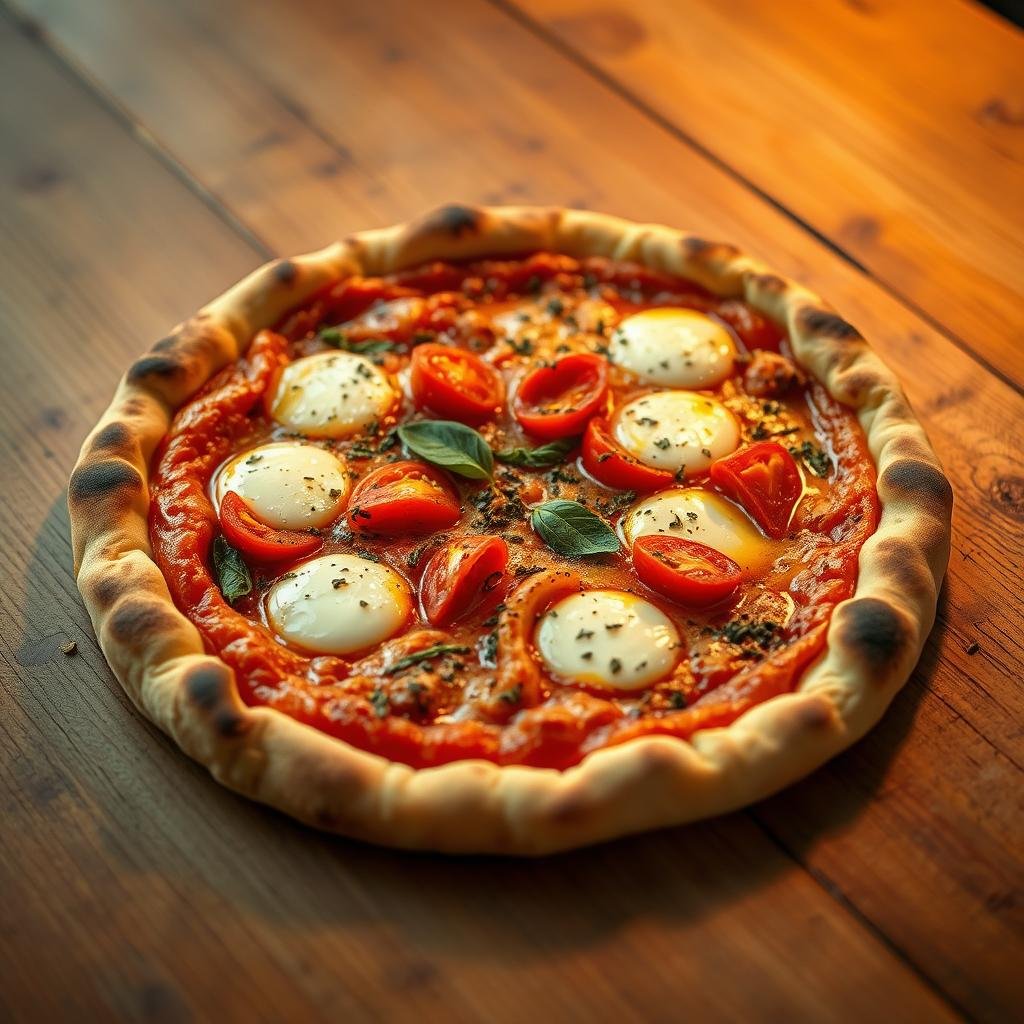

You can turn your home oven into a bakery for a bold, airy square that eats like focaccia. This guide shows the easy way to get a bronzed bottom, tender interior, and bubbling top using simple tools and reliable steps.
Start by making a high-hydration dough that proofs in a bowl until puffy. Parbake the dough at about 500°F on a preheated baking steel or pizza stone to lock the interior and avoid a gummy center.
Use a Lloyd 16×12-inch pan or a good sheet pan. Butter the pan then add olive oil before you press in the dough — that combo improves release and creates a crisp, caramelized edge every time.
Key Takeaways
- Parbake at high heat to stabilize the dough before adding sauce and cheese.
- Butter plus olive oil in the pan yields a better brown and easy release.
- Use a heavy 16×12 pan for even heat and a crisp bottom.
- High-hydration dough gives an airy, focaccia-like interior.
- Follow rack placement and minutes for consistent baking in U.S. ovens.
Why You’ll Love This Thick-Crust Sicilian Pizza
This style delivers a pillow-like interior and a golden base that holds up to bold toppings. You get an airy, focaccia-like bite with a chewy edge that feels indulgent but simple to make.
Hands-on time is short, and most of the work happens while the dough rests. Cold fermenting for 24–72 hours deepens flavor and lightens texture so each slice tastes more developed.
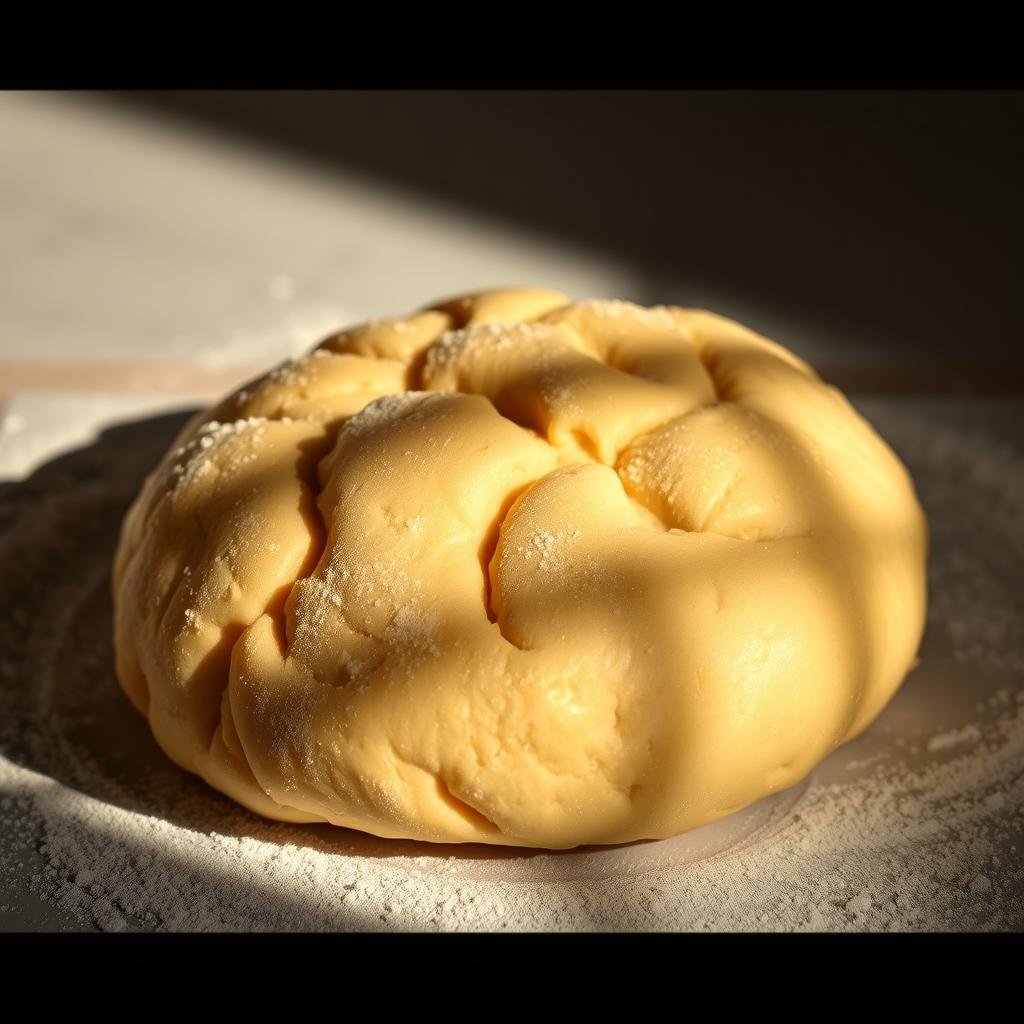
Focaccia-like texture, easy technique, big flavor
- Parbake at 500°F for 10–12 minutes on a preheated steel or stone to stabilize the crumb so sauce and cheese don’t overcook.
- Butter plus olive oil in the pan improves browning and makes release easy.
- The method is forgiving: whisk dry ingredients, add water, let rest—no advanced kneading required.
Make-ahead friendly for weeknights and parties
You can scale the process, proof extra dough in the fridge, and cover a stretched base with plastic wrap until bake time. Smart rack placement and choosing a good Lloyd or half-sheet pan help you avoid burnt bottoms and nail consistent results in your oven.
| Step | When | Key benefit |
|---|---|---|
| Cold ferment | 24–72 hours | Deeper flavor, lighter crumb |
| Parbake | 10–12 minutes | Stable base for sauce and toppings |
| Finish bake | Minutes after topping | Melting cheese, crisp edge |
Sicilian Pizza Recipe: Thick Crust Italian
Parbake first to lock the crumb so your final bake gives you a light interior and a bronzed base. A brief, high-heat sear stabilizes the dough and prevents a gummy middle once sauce and cheese go on top.
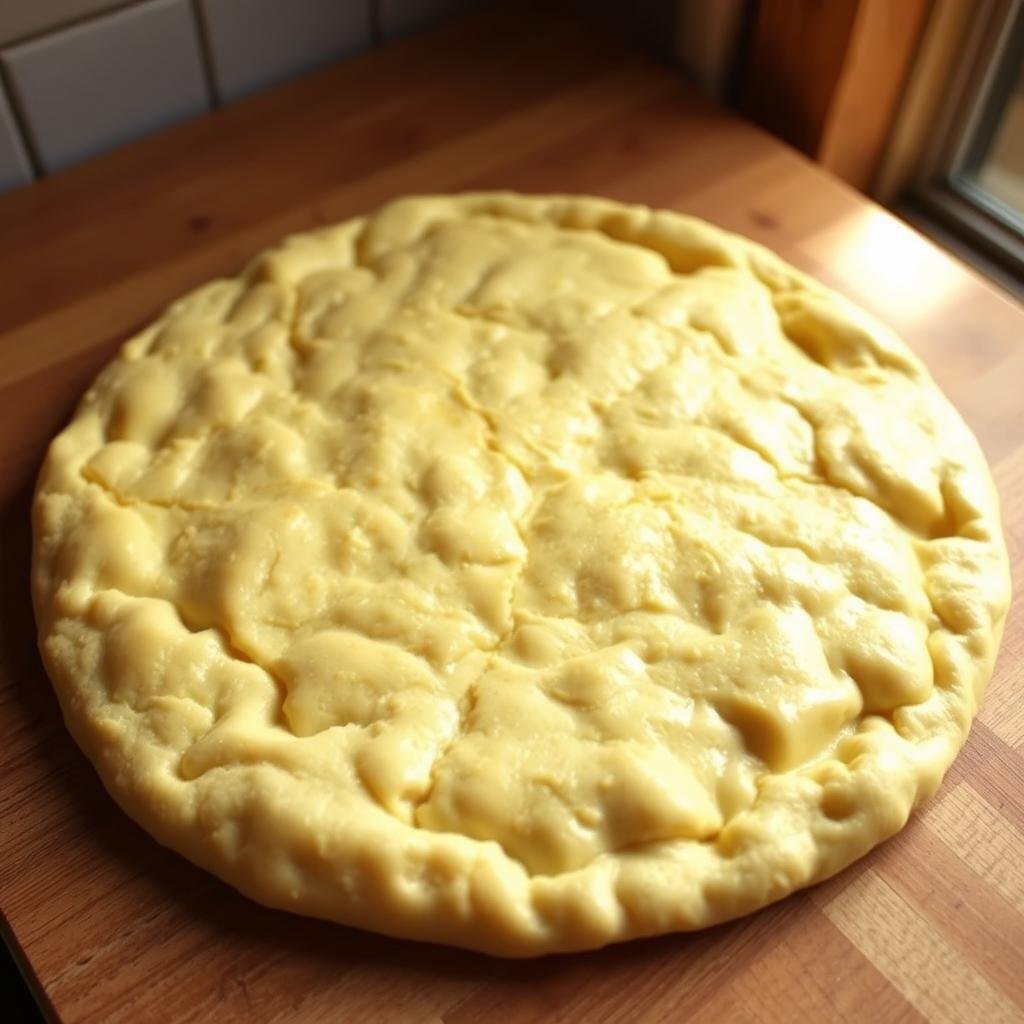
The game-changing secret: parbake the crust
Preheat a baking steel or stone to 500°F and slide the greased pan onto it for about 10–12 minutes. This step sets the structure so the crumb stays airy while the underside crisps to a restaurant-quality finish.
Dimple the center, not the perimeter, for even baking
Press dimples only into the center of the dough so the rim keeps height and browns evenly. This method keeps the exterior proud and prevents crushed edges when you add toppings.
Butter plus olive oil in the pan for crisp, bronzed edges
Generously butter the pan, then add a splash of olive oil. The combo prevents sticking and drives deep color at the edges during the parbake and finish bake.
- Parbake at 500°F for 10–12 minutes; then lower the temperature to about 475°F to finish with sauce and mozzarella for another 10–12 minutes.
- Use rack position to control bottom browning: lighter sheets can go lower; very dark baking sheets may need the middle rack.
- Watch for visual cues—edges bronzed, center set, cheese spotted—before you remove the pie.
Ingredients & Tools You’ll Need
Set up once and you speed through each step. Before you mix, make sure your scales, bowl, and pan are ready for a high-hydration dough.
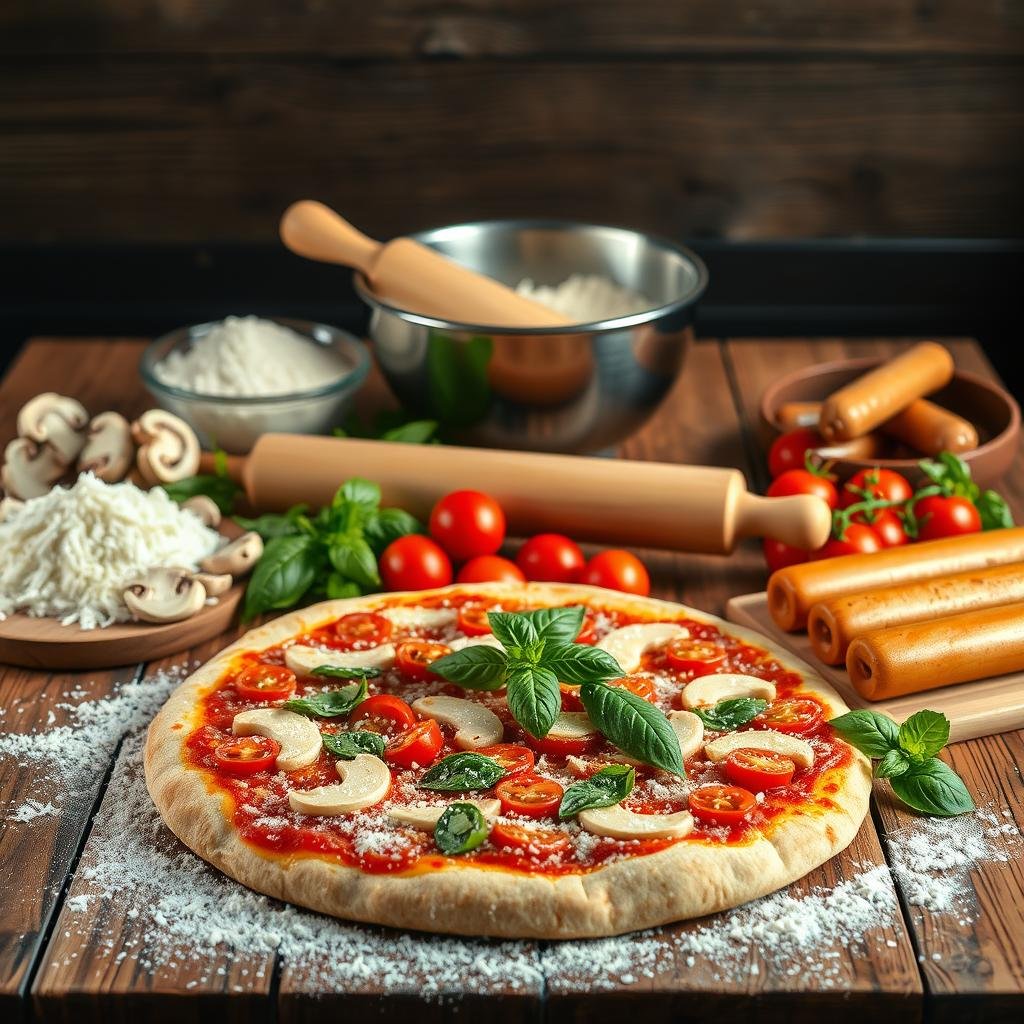
Dough essentials: Use bread flour for structure, especially in humid climates, or all-purpose for a softer bite. Measure about 455 g of water (roughly 2 cups) on a digital scale. Add 2 tsp kosher salt and ~2 tsp instant yeast. If you use active-dry yeast, bloom it in 110–115°F water for 5–10 minutes until foamy. Slick the surface with olive oil before a cold ferment.
Pan and surface: A 12×18-inch sheet pan works well; a Lloyd 12×16 pan delivers superior bottom browning. Use a preheated baking steel or stone at 500°F and cover the dough with plastic wrap to prevent drying.
- Cheese and sauce: Whole-milk mozzarella or blended grated cheeses and crushed tomatoes or a simple tomato sauce.
- Optional toppings: Sautéed mushrooms, peppers, onions, thin-sliced pepperoni, pickled jalapeños, red pepper flakes, or a drizzle of hot honey.
“Measure by weight for reliable hydration and a predictable rise every time.”
| Item | Measure / Note | Why it matters |
|---|---|---|
| Bread flour | Preferable; or all-purpose | Gives extra chew and structure in humid climates |
| Water | ~455 g (about 2 cups) | High hydration yields an airy, focaccia-like crumb |
| Yeast | ~2 tsp instant or bloom active-dry | Controls rise in room or cold-ferment for deeper flavor |
| Pan | 12×18 sheet pan or Lloyd 12×16 | Pan choice affects bottom browning and edge caramelization |
Make the Dough: Mix, Rest, and Develop Flavor
Start by whisking flour, salt, and yeast together so the dry mix is even and light. Use a large bowl so the dough has room to expand.
Add lukewarm water and stir until a shaggy, sticky dough ball forms. Aim for a tacky texture—not dry—so the interior bakes moist and airy after the parbake.
If you use active-dry yeast, bloom it first in 110–115°F water with a pinch of sugar for 5–10 minutes. Otherwise, instant yeast can go straight into the dry mix.
- Cold ferment in the fridge for 24–72 hours for deeper flavor and a lighter crumb.
- Alternatively, proof at room temperature for about 90 minutes, then give it a short second rise if you need it sooner.
- Rub the dough surface with olive oil, cover tightly with plastic wrap or a lidded bowl, and seal to retain moisture.
After the long rise, deflate the dough with oiled hands, pull edges to the center to form a round, then rest before stretching into the pan.
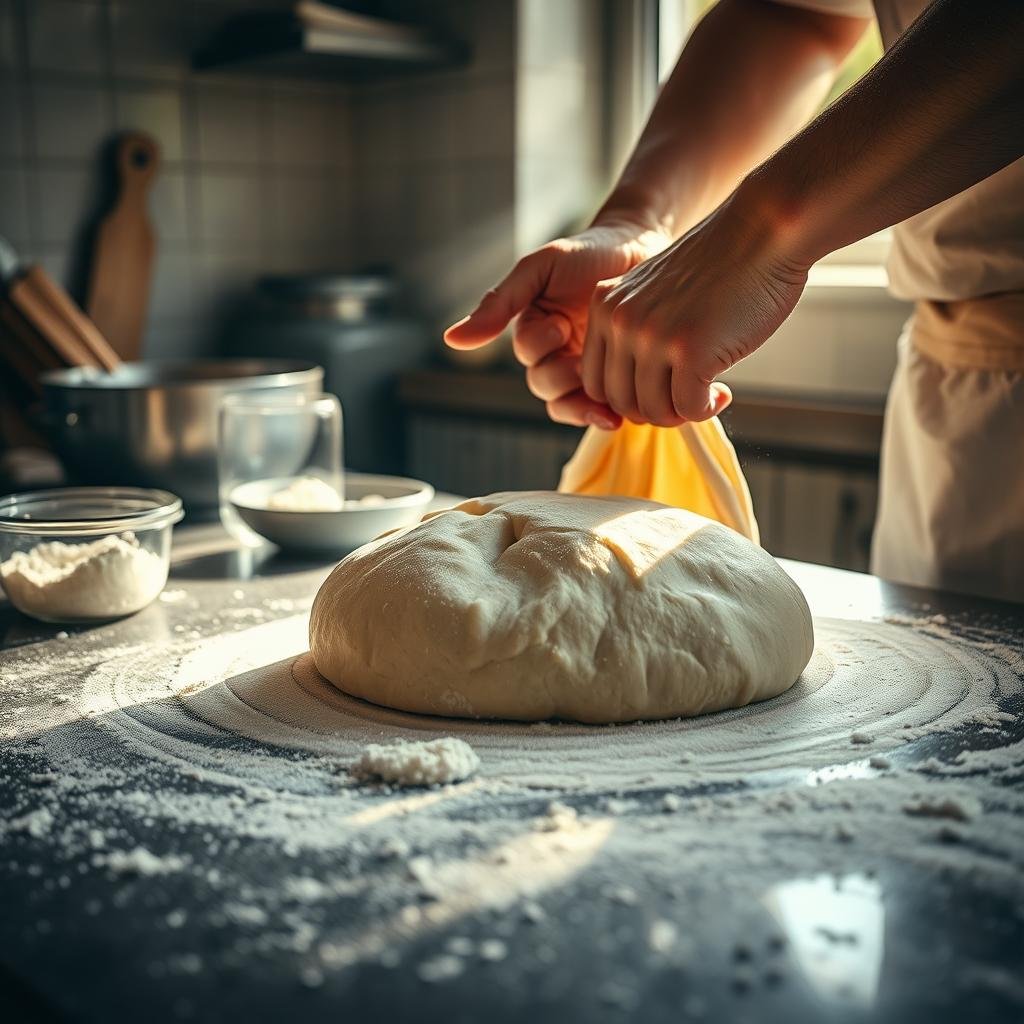
| Action | When | Why it matters |
|---|---|---|
| Whisk dry ingredients | Start | Even distribution of flour, salt, and yeast |
| Cold ferment | 24–72 hours | More flavor, lighter crumb |
| Deflate and tighten | After rise | Better surface for pan stretching |
For more detailed timings and a tested method, see the pizza dough guide.
Pan, Stretch, Parbake: Build a Stable, Non-Gummy Crust
Prep the pan correctly and the rest becomes easier. Generously butter the baking sheet, then pour in 2 tablespoons of olive oil so the dough releases and the edges caramelize.
Transfer the dough ball to the pan and turn it once to coat with oil. Let it relax in the pan for about 2.5–3 hours until noticeably puffy.
Stretch in stages. Gently coax the dough toward the corners. If it resists, cover with plastic wrap and rest 30 minutes, then continue. Repeat until the sheet is filled without tearing.
Final shaping and parbake cues
Dimple only the center before the oven so the rim stays lofty. Slide the greased pan onto a fully preheated baking steel or stone at 500°F.
- Parbake about 10–12 minutes until the bottom sets and the top looks slightly dry.
- Choose the right rack: lower for light sheet pans, middle for dark pans that brown quickly.
- After parbake, lower oven to ~475°F for the final bake with toppings.
| Action | Timing | Why it matters |
|---|---|---|
| Butter + olive oil on pan | Before stretching | Prevents sticking and creates bronzed edges |
| Relax in pan | 2.5–3 hours | Gravity and time soften the dough for easy stretching |
| Stage stretching with plastic wrap | 30-minute rests as needed | Keeps surface supple and avoids tearing |
| Parbake on preheated steel/stone | 10–12 minutes at 500°F | Sets the interior and prevents a gummy center |
Sauce, Cheese, and Toppings: Layer for Maximum Flavor
After the parbake, add toppings thoughtfully so every square slices cleanly and tastes balanced. Start by lowering the oven to about 475°F so the finish bake gives you even browning.
Protect the dough by laying thin mozzarella slices directly on the parbaked base. This barrier helps keep sauce from soaking into the crumb and supports a crisp bottom.
Spread a simple tomato sauce evenly, then sprinkle a layer of grated cheese for full coverage. For veggies, sauté mushrooms in 2 tablespoons of olive oil for 3–5 minutes, then briefly soften peppers and onions and season with salt before scattering them over the cheese.
For pepperoni, choose very thin slices so they cup and crisp. Add pickled jalapeños for heat and finish with a drizzle of hot honey if you want sweet-spicy contrast.
Finish and rest
Return the pan to the oven and bake another 10–12 minutes until cheese melts and browns in spots. Rest the tray 5 minutes, loosen edges with a spatula, and transfer to a board before slicing into squares.
- Tip: Brush a touch of oil on the rim for extra sheen and crunch.
- Balance toppings: Use enough to satisfy without weighing down the structure.
| Action | Timing | Why it matters |
|---|---|---|
| Finish bake | 10–12 minutes at 475°F | Melt cheese and crisp edges |
| Veggie sauté | 3–5 minutes | Concentrates flavor, reduces water |
| Rest | 5 minutes | Clean cuts and stable slices |
Pro Tips, Timing, and Troubleshooting
Smart timing, correct oven heat, and the right pan choices keep your pie consistent every bake. Use a digital scale so flour and water ratios stay exact; hydration shifts with flour type and climate. Bread flour helps in humid conditions and gives strength when you need a taller crumb.
Measure, hydrate, and scale
Weigh ingredients to control hydration and repeat results. For a Lloyd Detroit-style sheet use ~277 g flour, 245 g water; for a Lloyd Sicilian sheet use ~488 g flour, 432 g water.
Oven setup and rack placement
Preheat a steel or stone to 500°F and parbake 10–12 minutes; finish near 475°F. If your baking sheet is very dark, move to the middle rack. Use the lower rack for light pans to avoid a pale bottom.
Toppings, timing, and quick fixes
Let sauce cool slightly before you top the parbaked base so steam won’t soften the crumb. Don’t overload toppings; fewer, well-prepped items bake better and taste brighter.
- Tip: Brush edges with a little olive oil before parbake for extra crisp.
- Rotate the baking sheet if your oven has hot spots.
- If a dough ball resists stretching, rest 20–30 minutes under plastic wrap and try again.
- Move a pan up if the bottom darkens, or give the center a few more minutes if it looks pale.
| Issue | Quick fix | Timing/notes |
|---|---|---|
| Gummy center | Parbake 10–12 minutes at 500°F | Then finish at ~475°F |
| Burnt bottom | Raise rack or use middle rack for dark pans | Adjust minutes and watch color |
| Overloaded toppings | Reduce quantity; pre-sauté vegetables | 3–5 minutes sauté to remove excess water |
“Measure by weight and plan time around rests, not hands-on work.”
Conclusion
This approach turns simple ingredients into a reliably airy square you can bake any night. Mix and cold ferment the dough, butter and oil the pan, then stretch with short rests under plastic so the base eases into the corners.
Use the center-dimple trick and parbake on a preheated steel or stone at 500°F for about 10–12 minutes. Top with sauce and mozzarella, drop the heat to ~475°F, and finish for another 10–12 minutes.
Key takeaway: you can scale, time your rests, and tune rack placement by pan color to protect the bottom. Slice after a brief rest and serve squares with bright flavor from salt, red pepper, and a drizzle of olive oil.
FAQ
How do I prevent a soggy center when using a sheet pan?
Parbake the dough briefly on a preheated steel or stone so the base sets before adding sauce. Use a light hand with sauce and place thin mozzarella slices directly on the crust to shield it. Also choose a darker pan sparingly — it browns faster and can create uneven heat.
Can I make the dough ahead and freeze it?
Yes. Cold-ferment your dough for 24–72 hours for better flavor, then portion and freeze balls tightly wrapped in plastic wrap. Thaw in the refrigerator overnight and bring to room temperature before stretching to relax the gluten.
What hydration level should I aim for with bread flour?
Start around 65–70% hydration (that’s 650–700 grams water per 1,000 grams flour) and adjust by feel. Higher hydration gives a lighter, open crumb but requires gentler handling and longer rests. Measure with a digital scale for consistency.
Should I use active-dry or instant yeast?
Both work. Instant yeast can be mixed straight into dry ingredients; active-dry benefits from a brief bloom in warm water. Either way, control fermentation time with cold-proofing to develop deeper flavor without overproofing.
How do I get crisp, bronzed edges without burning the bottom?
Brush the pan with butter and olive oil to encourage caramelization at the perimeter. Use a middle rack and preheat your oven and baking steel or stone thoroughly. If the bottom browns too fast, move the rack up one position or use a lighter-colored pan.
What’s the best way to stretch the dough without tearing?
Let the dough relax between stretches and coat your palms with a little olive oil. Stretch in stages from the center outward, pressing dimples into the center rather than the edge to hold toppings and airflow for even baking.
How long and at what temperature should I parbake?
Parbake at a high temperature — typically 475–500°F — for about 6–10 minutes, until the surface firms and edges begin to color. Exact time depends on oven and pan; watch for a pale golden base before adding sauce and toppings.
Can I bake multiple pans at once for a party?
Yes. Stagger rack positions and rotate pans halfway through baking for even heat. If you’re prepping several, parbake all crusts, then top and finish them in batches to maintain oven temperature and consistent results.
What cheeses and sauce work best for this style?
Use low-moisture mozzarella or a blend for reliable melt and less water release. Opt for a crushed-tomato sauce or slightly reduced tomato sauce; if it’s watery, simmer briefly to concentrate flavor and avoid sogginess.
How should I store leftovers and reheat them?
Cool completely, then refrigerate in an airtight container for up to 3 days. Reheat on a sheet pan in a 400°F oven for 6–8 minutes to crisp the bottom. For single slices, reheat in a preheated skillet with a lid to refresh crust and melt cheese.
Any tips for topping placement to avoid a gummy center?
Keep toppings moderate and drain high-moisture ingredients like sautéed mushrooms. Consider a thin layer of cheese first to protect the crust, then sauce and other toppings. Let sauce cool slightly after cooking before spreading.
How do I scale the dough for different pan sizes?
Calculate dough weight per square inch from your tested batch, then multiply by the target pan area. Alternatively, use a digital scale to divide a master batch into equal balls that match your pans for consistent thickness.