To perfect Sicilian-style pizza, start with high-quality bread or 00 flour for the dough, letting it rise properly for texture. Make a rich tomato sauce with fresh tomatoes, herbs, and a good simmer. Choose a mix of cheeses like whole milk mozzarella and Pecorino Romano for depth. Make sure your oven’s hot—around 475°F for that crispy crust. Balance your toppings to avoid a soggy pizza. Stick around to uncover more tips for consistently delicious results!
Key Takeaways
- Use high-quality bread or 00 flour to achieve a chewy texture and good rise for the pizza dough.
- Let the dough rest adequately for enhanced flavor and a better crust texture.
- Preheat your oven and baking stone to 475°F to 500°F for optimal crispiness.
- Balance your toppings to prevent a soggy crust, using high-quality ingredients for the best results.
- Store leftovers properly and use appropriate reheating methods to maintain flavor and texture.
The Essentials of Sicilian-Style Pizza Dough

When it comes to making the perfect Sicilian-style pizza, the dough is your foundation—it’s vital to achieving that deliciously thick and fluffy crust. You’ll want to start with high-quality flour, ideally a bread flour or 00 flour, which gives the dough that lovely structure. Combine it with water, salt, and yeast, and let it rise. This isn’t just about following a recipe; it’s a nod to pizza history, where each bite tells a story of Sicilian ingredients and traditions passed down through generations.
As you mix and knead, you’ll feel the dough transform, becoming something special. Don’t skip the importance of letting it rest—this step is essential for developing flavor and texture. Once you have your perfect dough, you’re well on your way to creating a pizza that’s not just a meal, but an experience connecting you to the heart of Sicily. Enjoy the freedom of crafting your masterpiece!
Mastering the Tomato Sauce for Sicilian Pizza

While the dough sets the stage, the tomato sauce is where the magic really begins for your Sicilian pizza. You’ll want to use a fresh tomato blend—nothing beats the vibrant flavor of ripe, juicy tomatoes. Start with crushed tomatoes for a rich base, and don’t shy away from adding some diced fresh tomatoes for texture.
Now, let’s spice things up with some herbs seasoning tips. A simple mix of basil, oregano, and a pinch of crushed red pepper elevates your sauce. Feel free to experiment; add garlic for a kick or even a dash of sugar to balance acidity.
Simmer everything together on low heat for about 20 minutes, allowing those flavors to meld. Taste as you go; it’s all about finding what resonates with your palate. With this sauce, your Sicilian pizza will burst with flavor and keep everyone coming back for more!
Choosing the Right Cheese for Sicilian Pizza
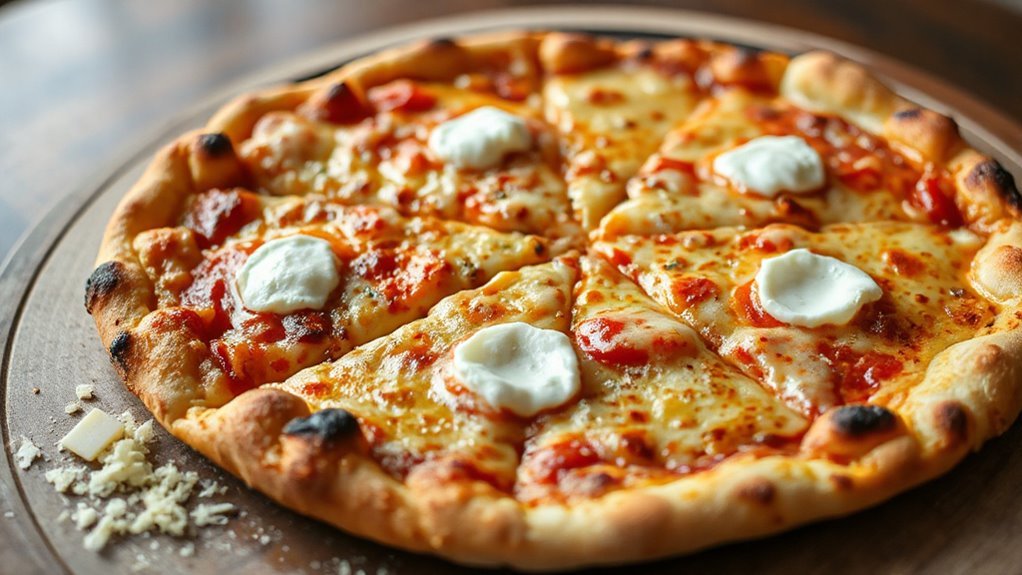
Choosing the right cheese for your Sicilian pizza can make all the difference in flavor and texture. You’ve got some great mozzarella options and cheese blends to take into account that elevate your pizza game.
Here’s a simple guide to help you choose:
| Cheese Type | Flavor Profile | Best Use |
|---|---|---|
| Whole Milk Mozzarella | Creamy, mild | Classic choice, great melt |
| Fresh Mozzarella | Soft, tangy | For a fresher taste |
| Pecorino Romano | Sharp, saltier | Add depth and complexity |
Experiment with a mix of these cheeses. Combining a whole milk mozzarella with a sprinkle of Pecorino can create a deliciously unique flavor. So go ahead, get creative with your cheese blend, and enjoy a slice that’s truly your own!
Baking Tips for a Fluffy Crust
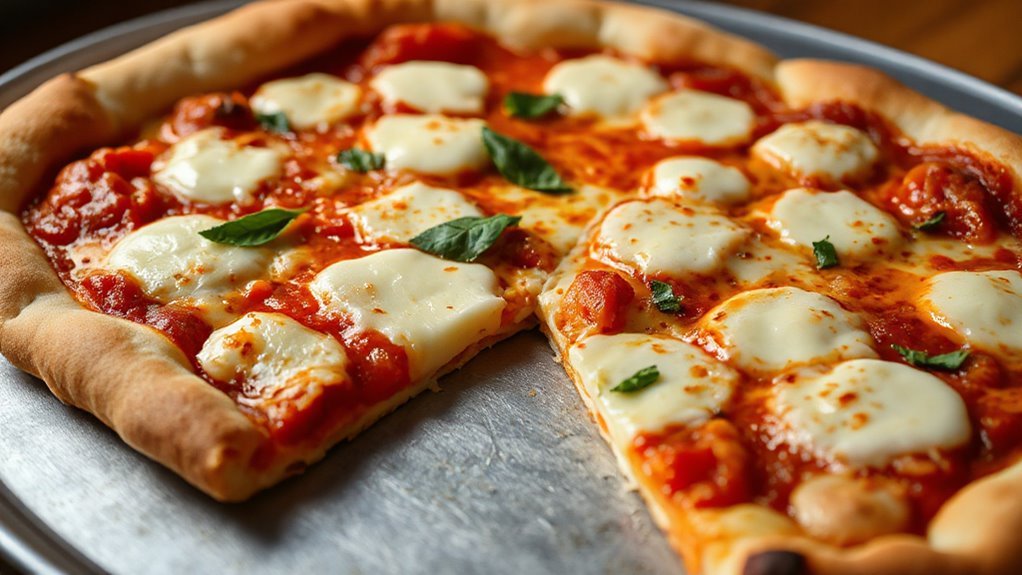
To get that perfectly fluffy crust for your Sicilian pizza, you need to pay attention to a few key factors. Start with choosing the right flour and master your dough fermentation techniques. Finally, don’t overlook the importance of baking at the right temperature to achieve that ideal rise and texture.
Choosing The Right Flour
When you’re crafting the perfect Sicilian-style pizza, the flour you pick can make all the difference in achieving that fluffy, airy crust. Not all flour types are created equal, so let’s explore the best options. For a light texture, you’ll want bread flour or “00” flour. These varieties have higher gluten content, which helps create that delightful chewiness you crave. All-purpose flour is okay, but it might not give you the lift you desire. Don’t shy away from experimenting with a blend; combining different flours can lead to a uniquely satisfying crust. So grab that bag of the right flour, roll up your sleeves, and let your pizza craft begin! You’re just a few steps away from pizza perfection.
Proper Dough Fermentation Techniques
After you’ve got your flour sorted, the next step in crafting that perfect Sicilian-style pizza is mastering proper dough fermentation techniques. Start by mixing your ingredients and let your dough rise in a warm environment, ideally around 75°F to 80°F. This fermentation temperature is essential for developing rich flavors and ensuring great dough elasticity. Keep an eye on it; your dough should double in size and feel smooth and elastic to the touch. If you’ve got time, consider a cold fermentation in your fridge for 24 hours or more. This extended time enhances the flavor even more! Remember, the better your dough ferments, the fluffier your crust will be. Freedom lies in perfecting these techniques—so have fun experimenting!
Optimal Baking Temperature Range
Baking your Sicilian-style pizza at the right temperature is essential for achieving that light, airy crust everyone loves. Aim for an oven environment between 475°F to 500°F. This high heat helps create that crispy bottom and fluffy texture you’re after. If you’re using a baking stone, preheat it alongside your oven for at least 30 minutes—this helps retain heat and transfer it directly to the dough. With a pizza stone, you’ll achieve even better results. Just remember, every oven can be different, so keep an eye on your pizza as it bakes. When the edges are golden brown and the cheese is bubbling, you’re ready to pull it out and enjoy your homemade masterpiece!
Classic vs. Creative Toppings for Sicilian Pizza
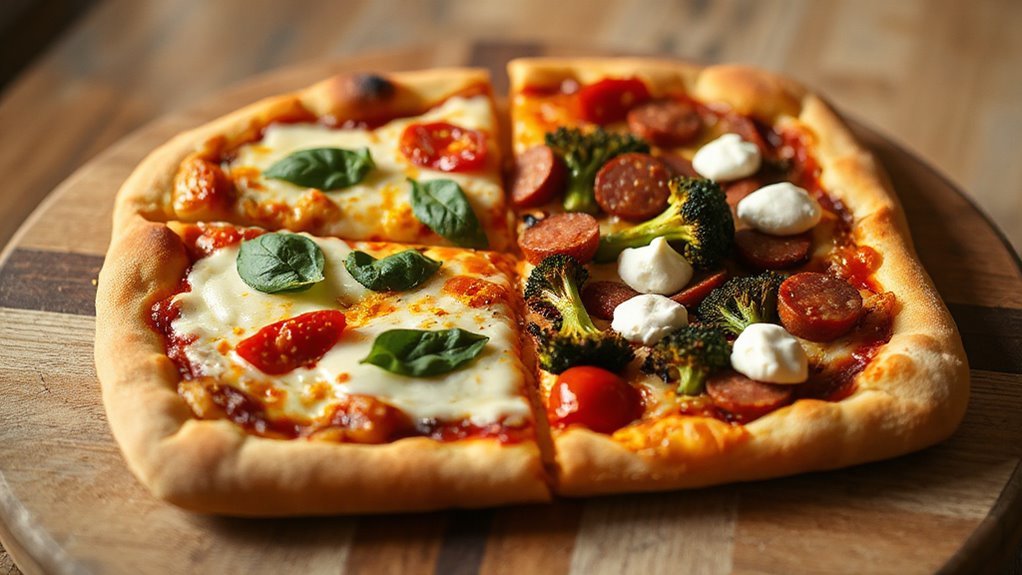
What makes a Sicilian pizza truly special? It’s all about the toppings! You can stick with traditional toppings like pepperoni and cheese, which are crowd-pleasers for sure. But why not venture into the world of gourmet toppings? Consider seasonal ingredients like fresh mushrooms or roasted peppers to elevate your pie. If you’re feeling adventurous, think about spicy options like jalapeños or a drizzle of sriracha for that kick.
And for those who prefer health-conscious choices, loading up on veggies or choosing lean proteins can make your pizza feel a little lighter. Don’t shy away from unexpected flavors either—relationships between sweet figs and tangy prosciutto can really wow your guests. Ultimately, whether you choose classic or creative toppings, the key is to have fun and enjoy the freedom to customize your Sicilian pizza just the way you like it!
Common Mistakes to Avoid When Making Sicilian Pizza
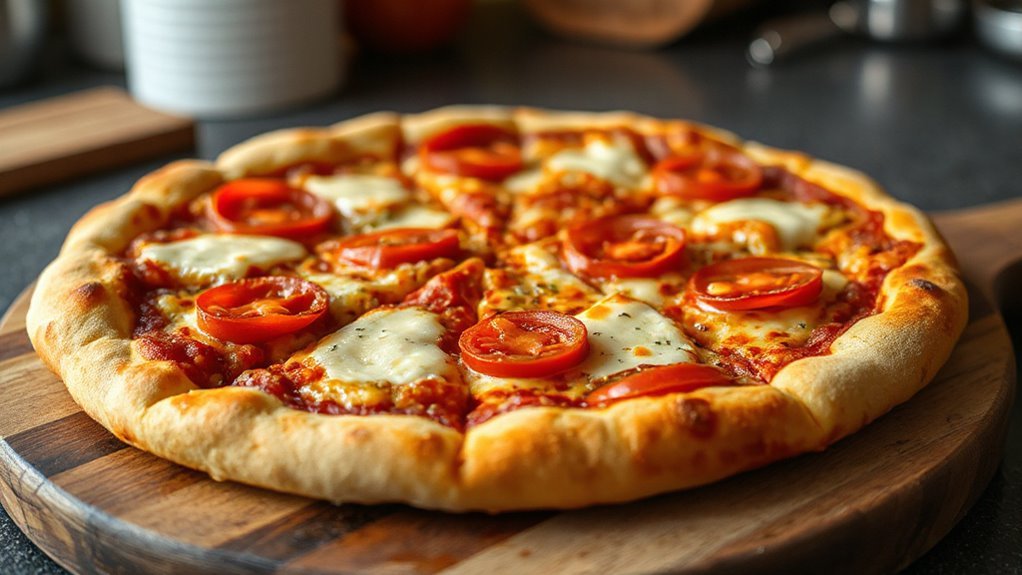
When it comes to crafting the perfect Sicilian pizza, avoiding a few common pitfalls can make all the difference between a delicious pie and a disappointing one. One of the biggest mistakes people make is misjudging ingredient proportions. Too much cheese or sauce can lead to a soggy crust, while too little will leave you with a dry bite. Balance is key!
Another common mishap is neglecting the dough’s resting time. Give it the proper time to rise; this will guarantee a light and airy crust. Don’t rush it!
Also, be mindful of your oven temperature. A super hot oven helps achieve that lovely, crispy base.
Lastly, don’t overload your toppings, which can weigh down the dough. Be bold but also discerning! By sidestepping these mistakes, you’re well on your way to enjoying a spectacular Sicilian pizza every time.
Troubleshooting Your Sicilian Pizza

Troubleshooting your Sicilian pizza can feel challenging, but it doesn’t have to be! If your dough consistency is off, it might be too dry or too wet. Adjust the hydration level by adding a bit more water or flour. For sauce balance, guarantee you’re not overloading; too much can make the crust soggy. When it comes to cheese melt, use a blend that melts well, and don’t skimp on it!
Oven placement matters, too; bake your pizza in the center for even heat. If some toppings aren’t cooking right, focus on toppings distribution—spread them evenly and consider pre-cooking tougher ones. Always monitor your baking time; underbaking leads to a doughy center, while overbaking can harden it. Finally, choose the right pan; metal pans promote a crispier crust, while dark pans can enhance browning. With these tips, you’re well on your way to pizza perfection!
Storing and Reheating Leftover Sicilian Pizza

Got some Sicilian pizza leftovers? You’ll want to know the best ways to store and reheat them so you can enjoy that delicious flavor all over again. Let’s chat about keeping it fresh and how to warm it up without losing any of that great taste.
Best Storage Practices
To make the most of your leftover Sicilian pizza, proper storage and reheating is key. Start by placing your slices in a suitable container—something airtight works best to keep that delicious crust fresh. If you don’t have one, wrap the pizza tightly in aluminum foil or plastic wrap. This helps prevent any unwanted moisture from ruining your meal.
When it comes to refrigeration methods, make sure your pizza cools to room temperature before popping it in the fridge. Staying below 40°F keeps your pizza safe and tasty for up to four days. Freed from the worry of spoiled leftovers, you can enjoy that Sicilian goodness again. Remember, the better you store it, the better it tastes when you’re ready to eat!
Reheating Techniques Explained
After you’ve properly stored your leftover Sicilian pizza, the real fun begins with reheating it to perfection. You want that crispy crust and gooey cheese, right? Here are some helpful reheating methods to try:
- Oven: Preheat to 375°F (190°C) and bake for about 10-15 minutes. This maintains that lovely crust texture.
- Skillet: Heat on medium-low for 5-8 minutes, covering with a lid. This creates steam for melty toppings while keeping the crust crispy.
- Microwave: If you’re in a hurry, zap it for 30-50 seconds, placing a cup of water inside to prevent sogginess.
- Air Fryer: Set it to 350°F (175°C) for 5-7 minutes for that perfect crunch.
Enjoy your delicious slices!
Flavor Retention Tips
While leftover Sicilian pizza is a treat, you’ll want to make sure it stays just as delicious as the day you made it. Start by wrapping each slice in parchment paper for better moisture retention, then place them in an airtight container. When reheating, consider drizzling your slices with oil variations like olive or infused herb oils to enhance the flavor. This not only revives the pizza’s taste but also elevates it. For the best results, use an oven or skillet to reheat, ensuring that crust remains crispy. If you’ve got any leftover sauces or cheeses, don’t hesitate to add those too! With these tips, your Sicilian pizza will keep its delightful flavors and textures. Enjoy!
Frequently Asked Questions
What Is the History Behind Sicilian-Style Pizza?
Sicilian-style pizza has its roots in Sicily, where you’ll find a unique blend of flavors and textures. It’s more than just food; it embodies Sicilian cuisine and traditions. The thick, rectangular crust comes from the need to bake larger quantities, often topped with fresh ingredients like tomatoes, onions, and anchovies. Over time, it’s evolved, but it still carries the heart of pizza traditions, giving you a taste of Sicily in every slice!
How Does Sicilian Pizza Differ From Other Pizza Styles?
Sicilian pizza stands out due to its thick, airy crust and unique dough texture, typically using a cold fermentation method for enhanced flavor. Unlike other styles, it’s often baked in a rectangular pan, allowing for a crisp bottom while keeping the inside soft and chewy. You’ll love how this baking technique brings out the rich, delicious toppings that complement the crust, making each slice a delightful experience. It’s a true family favorite!
Can I Use Gluten-Free Flour for Sicilian Pizza Dough?
Absolutely, you can use gluten-free flour for Sicilian pizza dough! Many enjoy the deliciousness of pizza without gluten, and there are some great flour substitutions out there. Just make sure your flour mix is balanced with xanthan gum or a similar binder to mimic traditional dough. Experiment with different gluten-free options until you find the combination that gives you that perfect crispy crust. Enjoy your pizza freedom!
What Wine Pairs Best With Sicilian Pizza?
When pairing wine with Sicilian pizza, you can’t go wrong with a medium-bodied red like a Nero d’Avola or a Chianti. These wine types complement the rich flavors of the cheese and tomato sauce beautifully. If you prefer white wine, try a Vermentino, which adds a revitalizing contrast. Match the wine’s flavor profiles with your pizza toppings, and you’ll enhance the entire experience, making each bite and sip even better!
How Can I Customize the Thickness of My Sicilian Pizza Crust?
You can customize the thickness of your Sicilian pizza crust by adjusting your dough recipe. If you want a thicker crust, increase the dough’s fermentation time—it’ll allow the yeast to work its magic, creating a fluffier result. On the flip side, for a thinner crust, knead less and roll your dough out more. Remember, it’s all about experimenting until you find that perfect balance between crunch and chew that suits your taste!
Conclusion
Just like a painter carefully layers colors on canvas, you’ve crafted your perfect Sicilian pizza masterpiece. Each step, from the dough to the toppings, is a brushstroke in your culinary art. So, when you take that first bite, let it transport you to the sun-kissed shores of Sicily, where flavors dance like waves. Remember, practice makes perfect, so don’t shy away from experimenting. Your kitchen is your canvas; go ahead and create another slice of happiness!