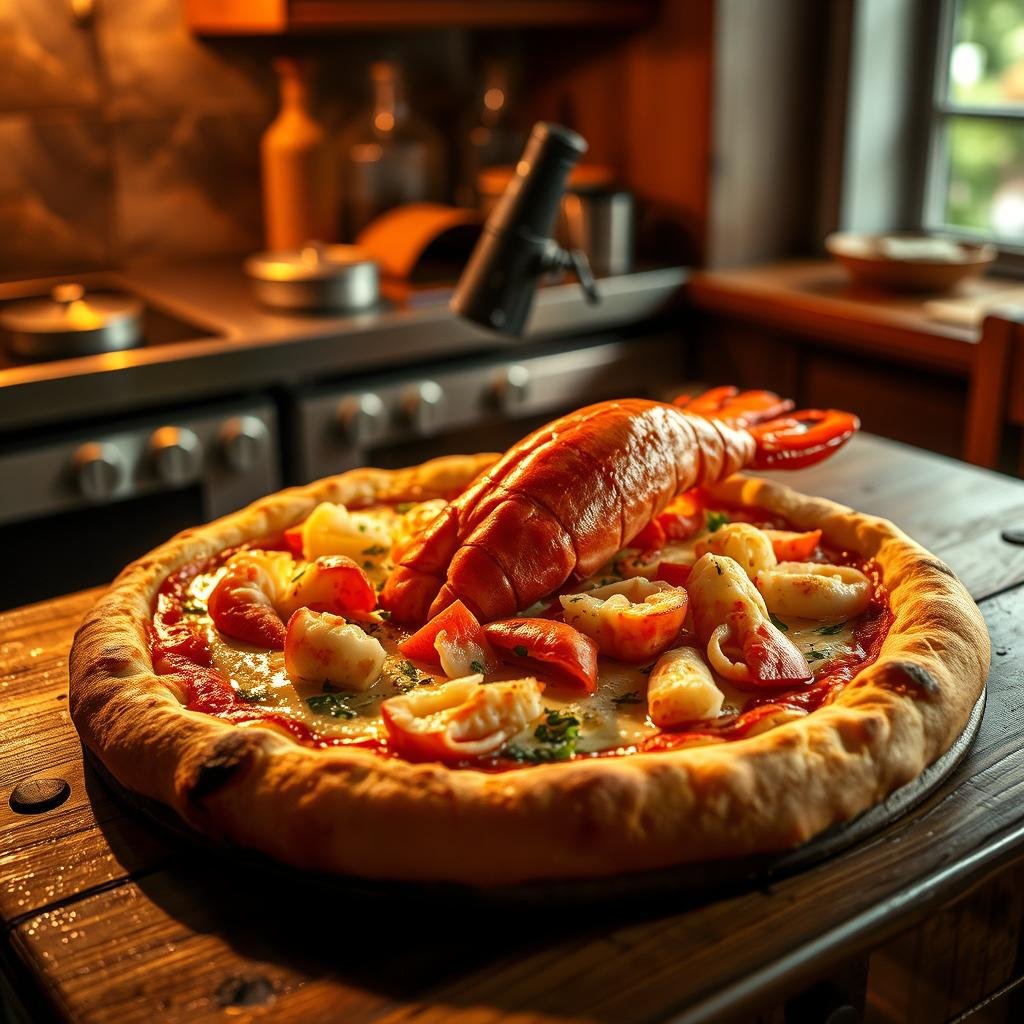

You’re about to master a luxe, crowd-pleasing lobster pizza that pairs sweet shellfish meat with melty cheese and a crisp crust you can make in your own oven.
This recipe shows clear timing and methods: from par-baking a polenta or dough crust to the exact minutes for bubbling cheese and a golden brown finish. You’ll learn which pans and pans’ heat give the best browning, plus a cast iron or pizza stone approach for crisp edges.
We also cover sauces and handling so your lobster stays tender. Choose a white cream sauce made with cream cheese, heavy cream, garlic, and white wine, or try brown butter for a nuttier finish. Follow simple sauté times so the meat turns opaque without getting rubbery.
Key Takeaways
- Par-bake crusts at 400–425°F, then finish 12–20 minutes until golden brown.
- Polenta crust is naturally gluten-free and crisps in 20–25 minutes at 425°F.
- Sauté lobster 2–3 minutes until opaque to avoid overcooking.
- White cream sauce and smart cheese blends highlight, not mask, the main flavor.
- Use cast iron for sear and stone for even heat; preheat 15–30 minutes.
Why You’ll Love This Luxury Lobster Pizza
You’ll find this gourmet twist cooks fast and rewards you with crisp edges and rich, balanced toppings. The sweet shellfish meat pairs naturally with a creamy white sauce and a blend of mozzarella and parmesan for both melt and savory depth.
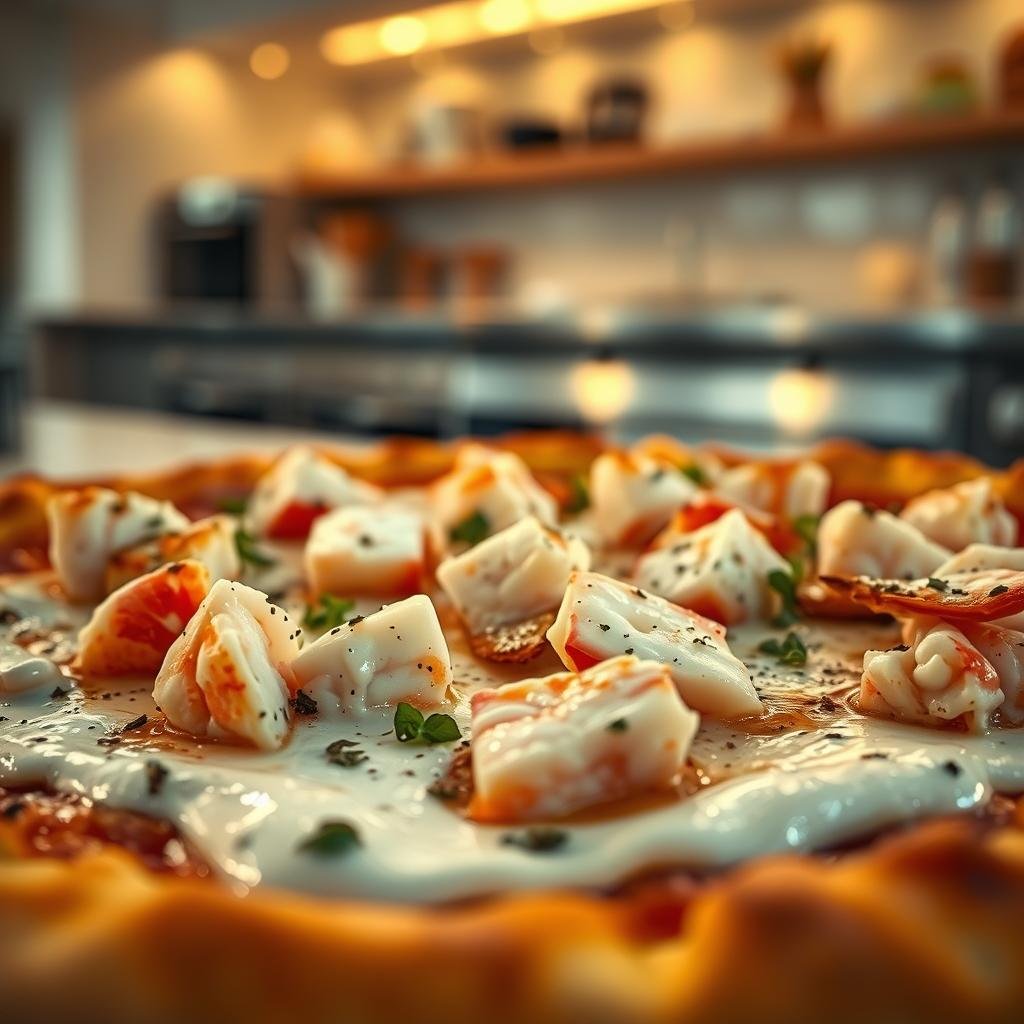
A quick sauté in butter with garlic and a touch of seasoning intensifies the seafood’s richness. That step locks in moisture and adds a brown, aromatic note that lifts every bite.
Light, fresh additions like spinach and tomatoes cut through richness. Those toppings keep the overall flavor bright so your palate never tires.
“A proper heat strategy — preheating pans and baking near 450°F — gives you a crisp crust and avoids sogginess.”
- Fast & approachable: Restaurant-quality taste from simple pantry items.
- Cheese balance: Mozzarella for stretch, parmesan for nutty finish.
- Versatile service: Slice small as an appetizer or serve full-size for dinner guests.
| Feature | Benefit | Tip |
|---|---|---|
| Sautéed shellfish | More aroma, tender meat | 2–3 minutes in butter with garlic |
| Cheese blend | Gooey and savory | Use shredded mozzarella + grated parmesan |
| High oven heat | Crisp crust, golden edges | Preheat pans; bake at ~450°F |
Lobster Pizza Recipe: Luxury Seafood Pizza — Ingredients, Tools, and Timing
A smart ingredient list and the right pan choices set you up for a crisp, balanced bake.
Core ingredients
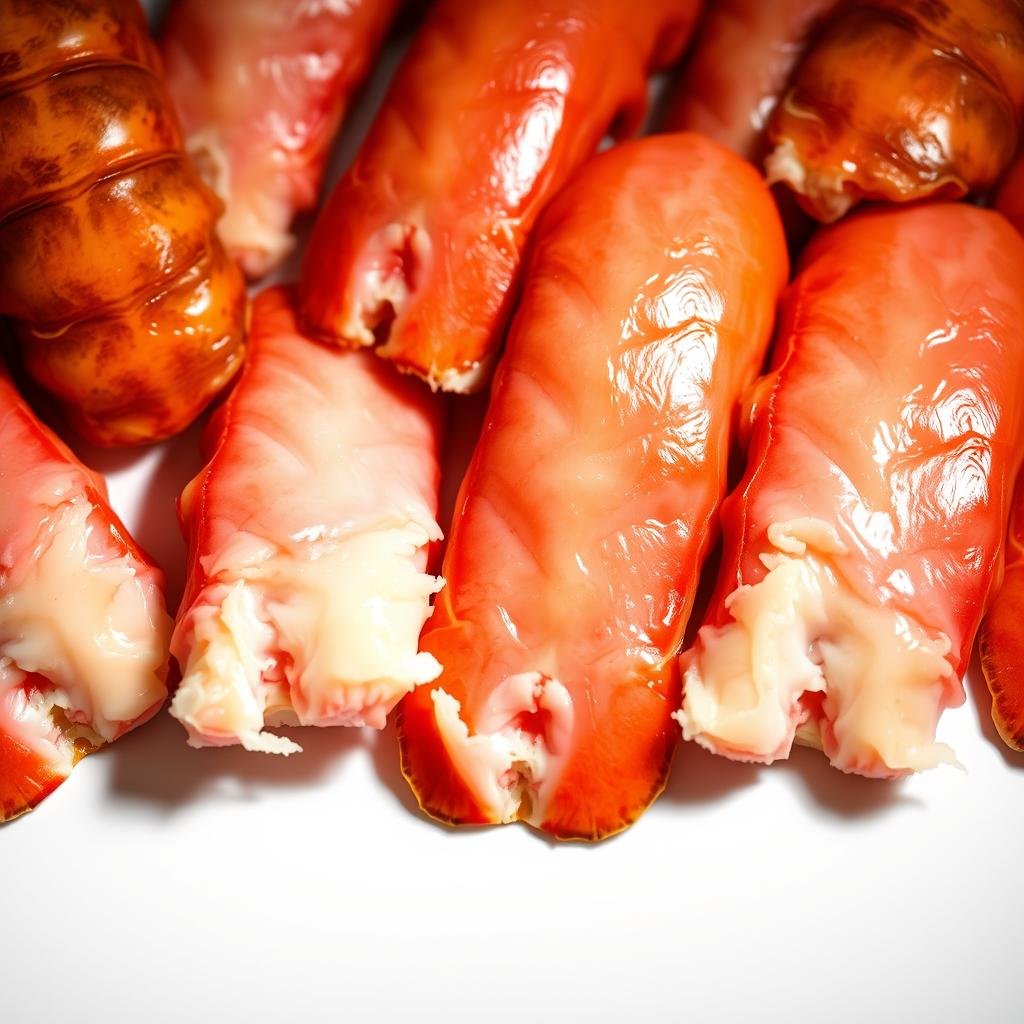
You’ll need lobster tails or claw meat totaling about 16–20 oz for a rich build — think 8 oz claw plus two 5–6 oz tails. Bring a reliable pizza dough to room temperature, then brush with a little olive oil before the sauce.
Optional flavor boosters
Add Old Bay or red pepper flakes for a kick. Fresh basil, sun-dried tomatoes, spinach, or crispy bacon give contrast to the rich lobster meat. Keep softened cream cheese and heavy cream on hand to make a silky white sauce.
Tools and timing
Choose cast iron, pizza stone, sheet pan, or a standard pan — each affects crispness. Preheat oven to 450°F for best results. Preheat a cast iron pan 15–20 minutes with a light film of oil, or preheat a pizza stone for 30 minutes.
- Quick tip: Sauté lobster briefly in butter and garlic for 2–3 minutes to keep it tender.
- Measure cups of cream, wine (or broth), and grated parmesan cheese before you start to save time.
Step-by-Step: From Dough to Golden Brown Crust
A few precise steps—from room-temp dough to final bake—deliver a golden, crisp crust. Follow each stage with simple timing and you’ll avoid soggy spots and overcooked toppings.
Prep the dough
Bring your dough to room temperature so it stretches easily. Brush the surface with olive oil to promote color and to protect the base from moisture.
Par-bake the crust
Preheat oven to 400°F. Par-bake the dough for 10–12 minutes until the edge firms and shows light browning. This step sets the crust so sauce and toppings don’t weigh it down.
Cook the lobster and make the sauce
Melt butter, add garlic, season, and sauté the meat about 2–3 minutes until opaque, then set aside to keep it tender.
For sauce, simmer heavy cream with Parmesan or melt cream cheese into cream with garlic and white wine until smooth and thick.
Assemble and finish bake
Spread a thin layer of sauce onto pizza, then layer mozzarella and parmesan for melt and sharpness. Evenly add lobster, spinach, and tomatoes.
Slide into the oven: bake 12–15 minutes at 400°F or 6–10 minutes at 450°F until cheese melts and the crust is golden brown. Rest briefly before slicing.
| Step | Time | Key Tip |
|---|---|---|
| Par-bake crust | 10–12 minutes | Brush with olive oil; preheat oven |
| Sauté shellfish | 2–3 minutes | Butter + garlic; set aside to avoid overcooking |
| Finish bake | 12–15 min @400°F or 6–10 min @450°F | Watch for melted cheese and crisp edges |
Crust Choices and Pan Methods for the Perfect Base
What you bake on matters as much as what you top; pick a method that fits the texture you want and the time you have.
Trader Joe’s ready-to-bake herb pizza dough is an affordable, hassle-free option. Let the dough warm to room temperature so it stretches easily and gives good oven spring. For a classic crust, brush the edge with olive oil before the par-bake.
Polenta crust for a gluten-free option
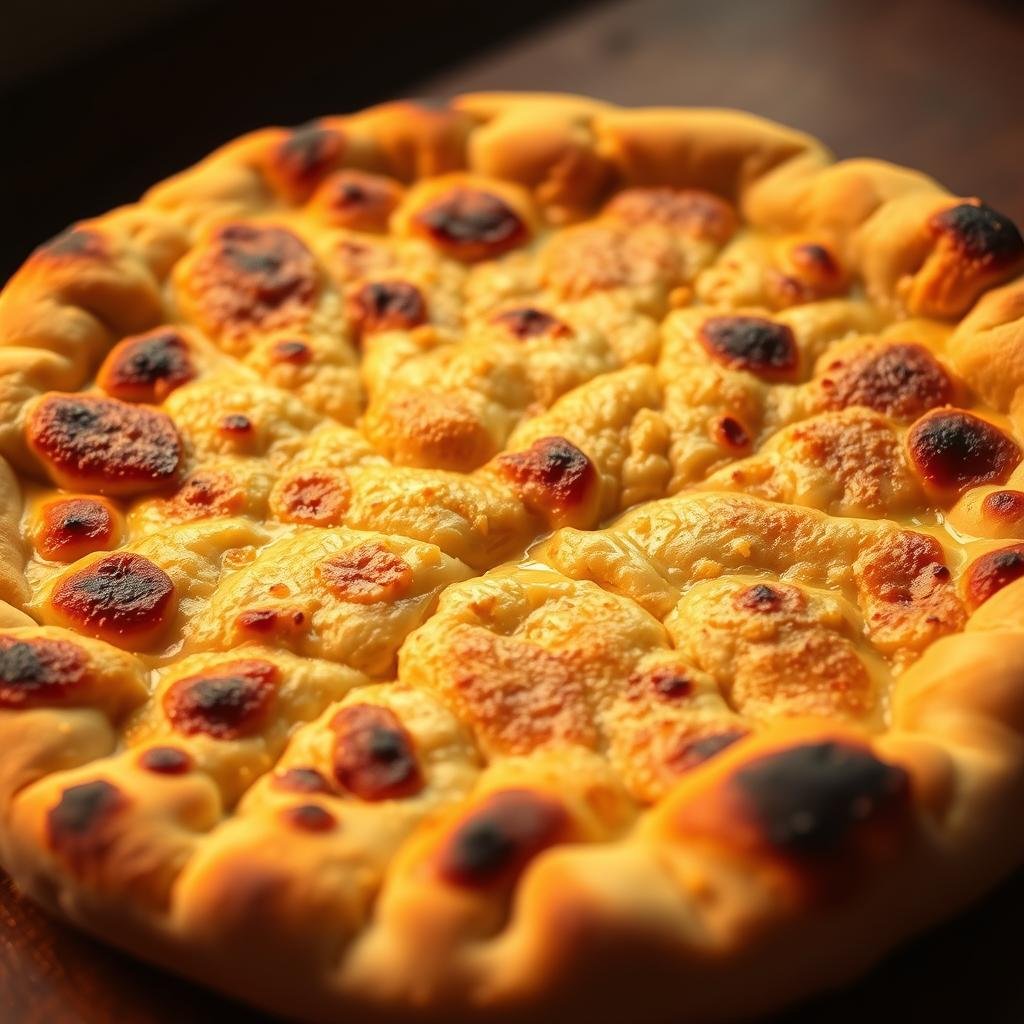
Want gluten-free? An instant polenta crust is a great option. Bake it at 425°F for 20–25 minutes until it’s slightly crisp, then add toppings and finish for another 15–20 minutes.
Cast iron, stone, or sheet pan — choose by finish
- Cast iron: Preheat 15–20 minutes and add a thin film of oil. It transfers heat fast and creates a deeply browned bottom.
- Pizza stone: Preheat 30 minutes. No oil needed; it stores heat for even edge-to-edge crisping.
- Sheet pan: Best for larger, thinner pies and quick prep when you want volume.
“Higher heat yields better browning; watch the crust golden brown cue and track minutes closely.”
| Pan | Preheat time | Benefit |
|---|---|---|
| Cast iron | 15–20 minutes | Rapid browning, crisp bottom |
| Pizza stone | 30 minutes | Even bake, crisp edges |
| Sheet pan | 10–15 minutes | Convenient, good for thin crust |
Quick tip: Brush the base lightly with olive oil before baking and monitor bake time. If you want extra-crisp, extend the par-bake by a minute or two and finish on a hot cast iron or stone. This approach keeps your lobster topping tender while the base turns perfectly crisp.
Sauces, Cheeses, and Toppings That Elevate Flavor
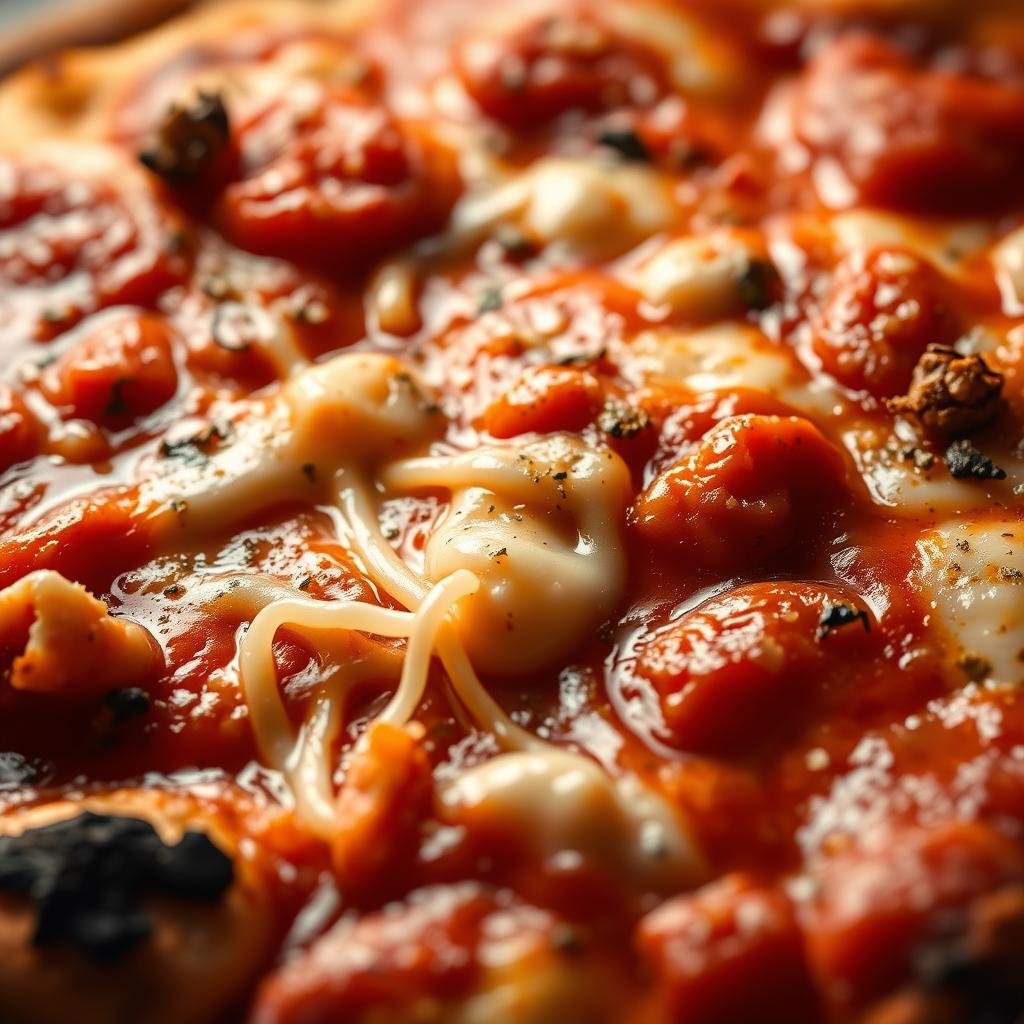
Start by choosing the base you want: creamy or buttery. A cream cheese-based white sauce with heavy cream, garlic, and white wine adds body and pairs beautifully with shellfish. Alfredo (cream, butter, Parmesan) is richer and gives an ultra-silky finish that coats the crust.
Cheese strategy and mix
Build complexity with cheese: mozzarella for melt and stretch, Parmesan Reggiano for sharpness. Add fontina or gouda for nutty, buttery notes.
Use shredded mozzarella for even melt. Sprinkle a light dusting of parmesan cheese on top to sharpen the finish.
Toppings and finishing touches
Layer spinach, fresh tomatoes, or sun-dried tomatoes to cut through richness. Crisp bacon and crushed red pepper add smoky heat and balance.
Finish with a brown butter drizzle and a pinch of Old Bay to highlight briny, nutty flavor.
“Choose a sauce that supports your toppings so every slice has balance and brightness.”
| Choice | When to use | Quick tip |
|---|---|---|
| White cream sauce | Spotlights delicate meat | 1 cup cream + 4 oz cream cheese; simmer with garlic |
| Alfredo | Buttery, rich finish | Use 1 cup cream, 2 tbsp butter, 1/2 cup parmesan |
| Cheese blend | Melt, sharpness, nuttiness | Use cups shredded mozzarella + grated parmesan for best pull |
Buying, Prepping, and Cooking Lobster Like a Pro
Selecting the right shellfish sets the tone: prioritize wild-caught tails and claw pieces when possible. Fresh, firm flesh and a mild briny smell mean better texture and sweeter meat.
What to buy
Choose a mix of tail and claw for contrast in bite and flavor. If you buy frozen, thaw overnight in the fridge for best results.
Prep and cook
To boil tails, bring water to a boil and cook 8–12 minutes until shells turn bright red. Chill briefly, then de-shell and remove cartilage.
Or, sauté chopped meat 2–3 minutes in butter with a pinch of salt and pepper until opaque, then set aside. Keep stovetop time short; the oven will finish cooking after you top the pizza.
- Dry the meat: pat pieces thoroughly so they don’t water down your sauce or sog the base.
- Trim and chop: remove cartilage and cut into bite-size pieces for even distribution.
- Seasoning tip: try Old Bay before cooking for a spicier profile and adjust pepper after baking.
| Method | Time | Why it works |
|---|---|---|
| Boil tails | 8–12 minutes | Easy de-shelling and clean chopping |
| Sauté | 2–3 minutes | Quick browning; retains tenderness |
| Finish in oven | short time | Prevents overcooking and keeps meat tender |
Troubleshooting and Pro Tips for Restaurant-Quality Results
Nailing a crisp base comes down to timing, pan heat, and how you layer toppings.
Start with room-temperature dough and a focused par-bake. Let dough rest until pliable, then par-bake the pizza crust 10–12 minutes at 400°F. This step keeps sauce and cheese from softening the base.
Prevent soggy crust
Preheat pans fully: cast iron 15–20 minutes with a thin film of oil, pizza stone 30 minutes without oil. A hot surface gives instant oven spring and a crisp bottom.
Brush the rim with an egg wash for color. That helps the crust golden edges and a crust golden look every time.
Get bubbly cheese and crisp edges
Use shredded mozzarella sparingly. Drizzle a little olive oil over the cheese before the final bake to promote photogenic bubbles.
Cook lobster briefly—2–3 minutes—until opaque, then add lobster after the par-bake so the oven finishes the job without turning meat rubbery.
- Distribute toppings evenly so the center bakes through.
- If the sauce is thin, simmer to reduce before saucing the base.
- Finish the last minutes directly on a preheated stone or cast iron if the bottom lags.
- Taste and finish with pepper and salt after baking to avoid over-seasoning.
“A quick par-bake and a hot pan change everything — crisp bottom, melted cheese, and a crust golden brown rim.”
| Issue | Fix | Timing |
|---|---|---|
| Soggy base | Par-bake crust; reduce sauce | 10–12 minutes @400°F |
| Pale edges | Egg wash on rim; higher finish heat | Brush before final bake |
| Underbaked bottom | Finish on stone or hot cast iron | Last 1–3 minutes direct heat |
| Overcooked meat | Add cooked lobster after par-bake | Cook 2–3 minutes stovetop |
Conclusion
The real secret is simple timing: par-bake your dough, sear the lobster briefly until opaque, and finish on a scorching stone or cast iron for a reliably golden brown crust.
Keep measurements in cups for the sauce, use a modest blend of mozzarella and Parmesan, and layer thoughtfully so each slice holds together.
Keep your dough warm, your pan blazing hot, and watch the minutes so the meat never overcooks. Swap cheeses, try a polenta base if needed, and add bright tomatoes or herbs at the end for balance. With this plan you’ll top confidently and pull a restaurant-quality lobster pizza from your oven every time.
FAQ
How do you prevent a soggy crust when using a creamy white sauce?
Par-bake your dough until the surface is set and slightly golden, use a thin layer of sauce, and avoid watery toppings. Finish on a hot surface like a preheated pizza stone or cast iron to crisp the bottom.
Can you use frozen tails or claw meat, and how should they be handled?
Yes. Thaw them in the refrigerator overnight, pat dry, and gently reheat with butter and garlic just until opaque to preserve texture. Overcooking will make the meat tough.
What oven temperature and timing yield a golden brown crust without burning the cheese?
Preheat to 425–450°F. Bake 8–12 minutes depending on thickness and pan choice. If the top browns too fast, move the pizza to a lower rack or tent lightly with foil for the last few minutes.
Which pan gives the best crust: cast iron, pizza stone, or sheet pan?
Use a preheated pizza stone or cast iron for the crispiest bottom. A heavy sheet pan works well for thinner dough and easier handling but won’t match the char and crunch of stone or cast iron.
Should you cook the meat before adding it to the pie, and what method is best?
Cook the meat briefly with butter and garlic until just opaque, then add it to the pizza. That keeps the meat tender and prevents drying while the pie finishes baking.
What cheeses pair best with a white cream base to balance richness?
Combine shredded mozzarella for melt, Parmesan Reggiano for umami, and a touch of fontina or gouda for depth. Use moderate amounts to avoid overpowering the delicate meat.
How can you add a signature finish without masking the main flavors?
Drizzle brown butter or high-quality olive oil after baking and sprinkle a light dusting of Old Bay or crushed red pepper. Fresh basil or lemon zest brightens the profile without overwhelming it.
Are there convenient store-bought dough options that still yield great results?
Yes. Trader Joe’s and other supermarket ready-to-bake doughs perform well when brought to room temperature, stretched gently, and par-baked to lock in structure before topping.
What’s a good alternative crust for gluten-free diners that keeps a luxury feel?
Try a polenta crust: it crisps nicely and supports rich toppings. Prebake until firm, then build the pie and finish under high heat for a golden edge.
How do you reheat leftovers so the crust stays crisp and the cheese melts evenly?
Reheat in a 375°F oven on a wire rack or pizza stone for 6–8 minutes. Avoid the microwave, which makes the crust soggy and the texture rubbery.
