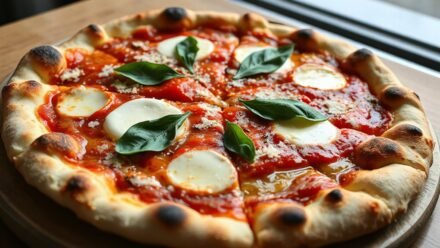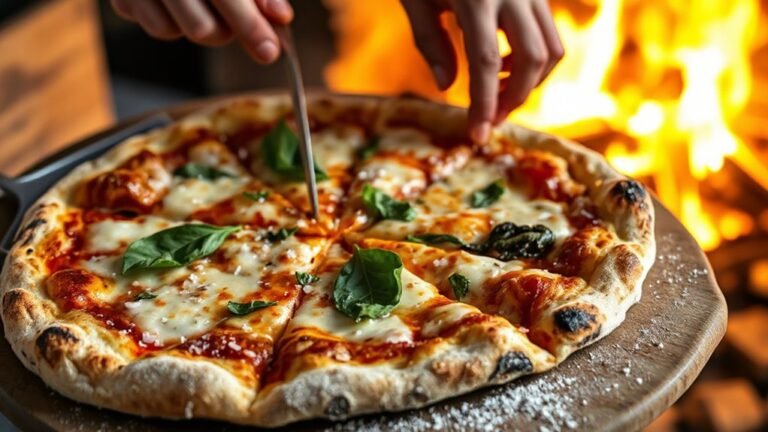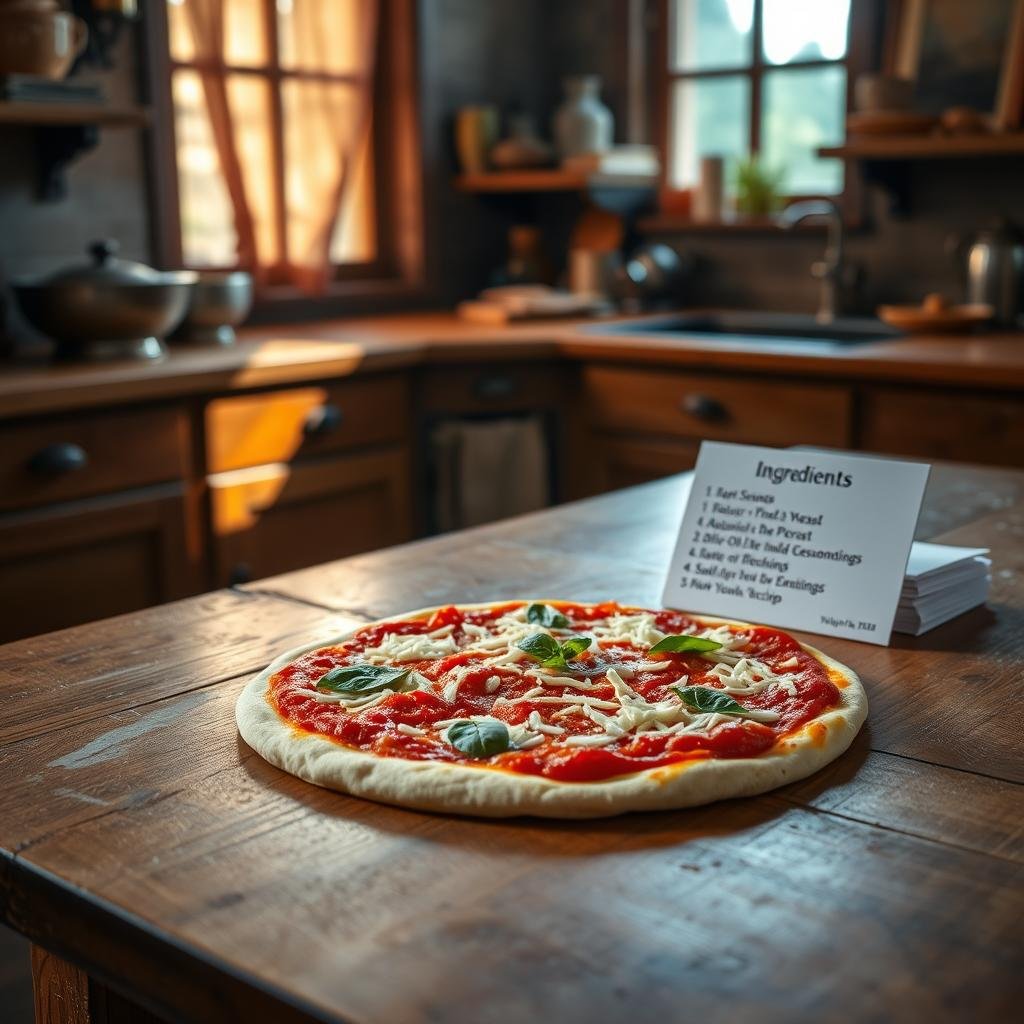

You can make a classic Long Island–inspired tray pie right in your kitchen. This approach uses a half sheet pan, active dry yeast, warm 105°F water, and a generous splash of extra-virgin olive oil in the dough to get a fast, flavorful base.
Start by oiling the pan well so the crust caramelizes and the edges bubble. You will choose between double-proofing with a thin layer of uncooked sauce to marry flavors, or parbaking the crust on a preheated baking steel at 500°F to avoid a gummy center.
This is a home-friendly method that gives you crisp bottoms, bubbly corners, and a sliceable crust without specialty gear. Use a half sheet or a Lloyd pan for even heat transfer, keep the dough lean and slightly thinner than classic Sicilian, and layer sauce and cheese in the order you prefer.
Key Takeaways
- Use a well-oiled half sheet or Lloyd pan for even browning and crisp edges.
- Warm 105°F water and 2¼ tsp active dry yeast yield a reliable dough fast.
- Double-proof with a thin sauce layer or parbake on a hot steel to prevent gummy centers.
- Keep the dough lean and bake in a regular oven for practical weeknight results.
- Simple ingredients and timing make this recipe repeatable and forgiving at home.
Why You’ll Love This Thin Sicilian-Style Grandma Pizza
This Long Island tray pie gives you a fast, reliable way to serve classic flavors without an all-day bake.
How it differs from thicker regional pies
You get a rectangle that bakes faster than a focaccia-like loaf. The shorter proof keeps the dough light and the crumb tender.
Compared to traditional sicilian pizza, this version skips the long ferment and heavy height. That means a crisper bottom and fewer gummy zones when finished in a standard oven.
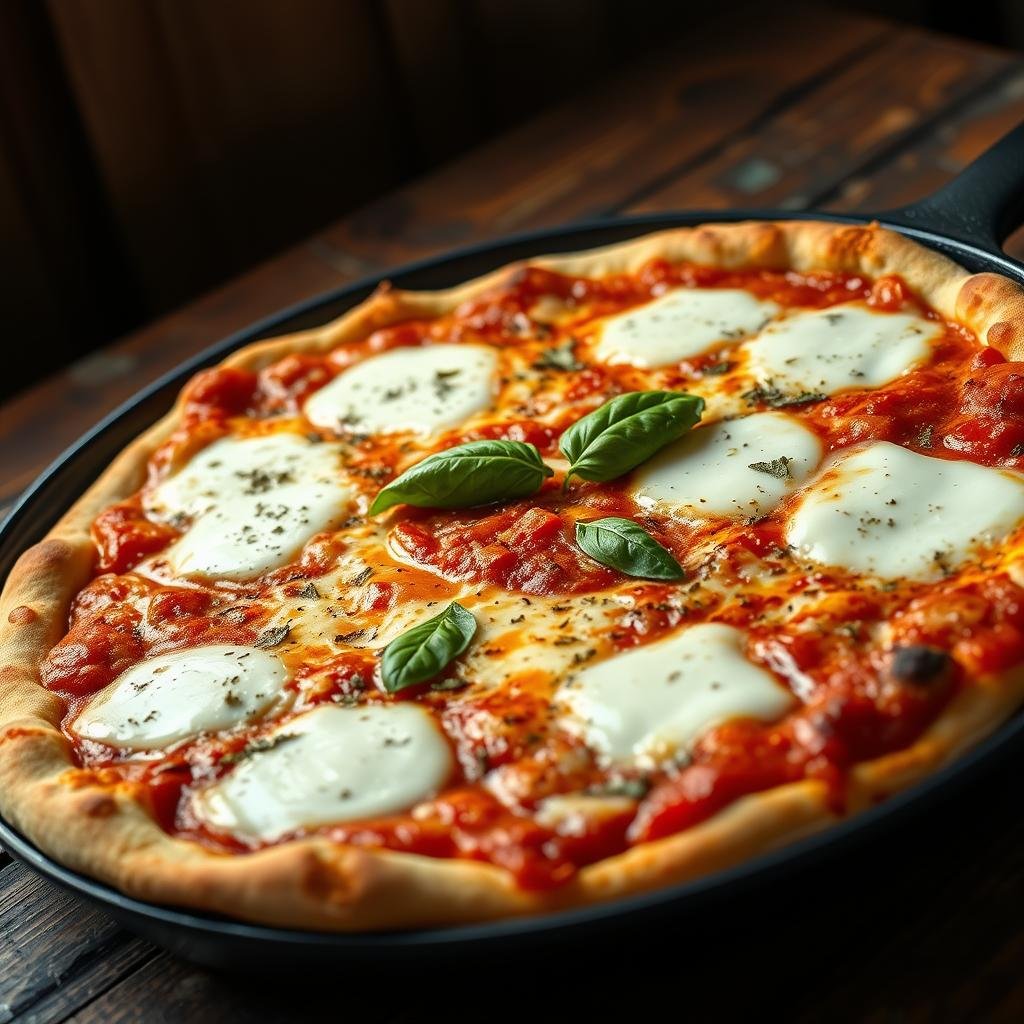
It also avoids the deep dish heft of Detroit-style pies while still yielding caramelized edges thanks to oil in the pan and the right bake time.
Authentic roots and practical benefits
This tray pie traces back to Long Island’s sfincione traditions and the popularization by Umberto Corteo in the 1990s. You honor that heritage while using a sheet pan and simple tools.
- Fast at home: mix in a bowl, proof briefly, and push into a sheet pan.
- Layer smart: cheese beneath and sauce on top tames moisture for perfect saucy streaks.
- Flexible toppings: sliced pepperoni or spicy soppressata both shine.
Essentials You Need: Pan, Olive Oil, Dough, and More
Choose the right pan and you set the stage for a crisp, golden edge every time.
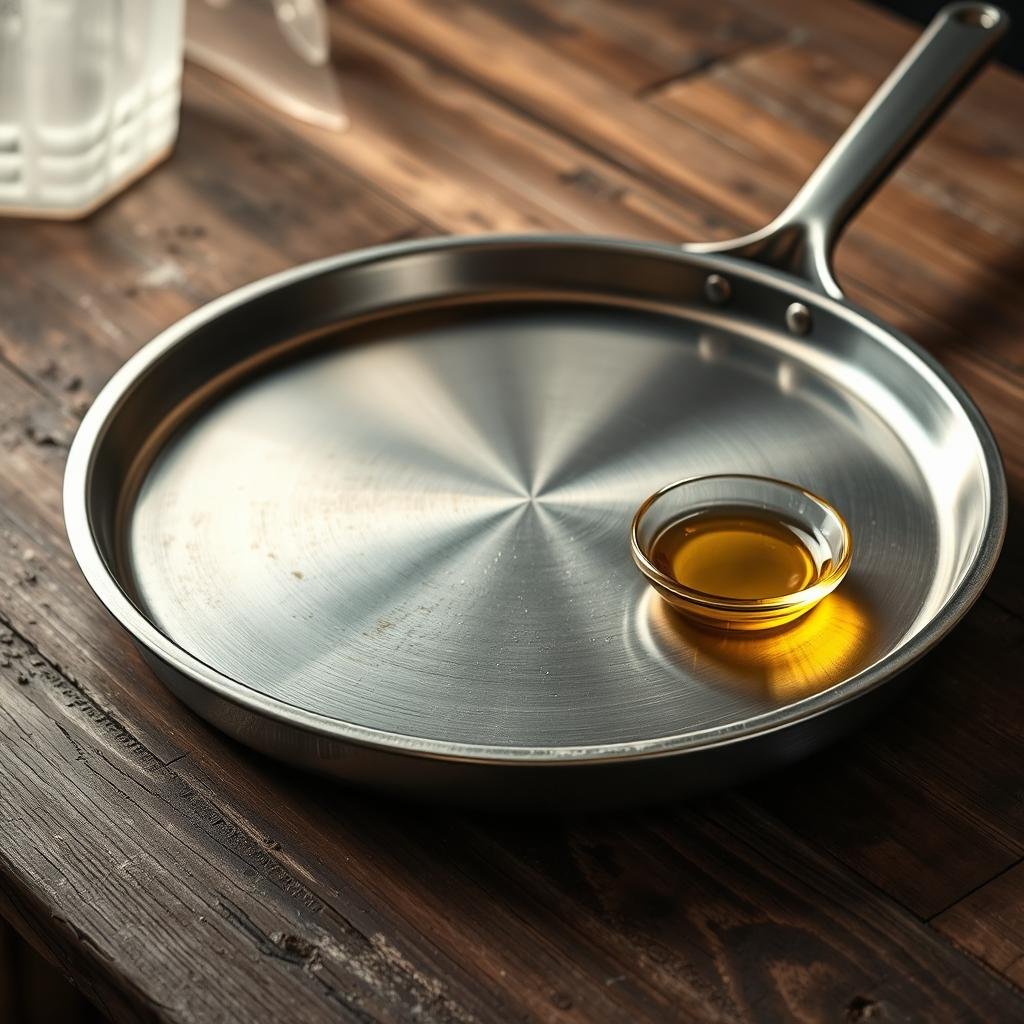
Best pans: a half sheet pan (about 13″ x 18″) is perfect for home use and fits most ovens. If you want extra crisp bottoms, a Lloyd 16″ x 12″ Grandma/Sicilian pan conducts heat better and gives a deeper crust color.
Pan prep and fats
Butter the pan first, then add a generous layer of olive oil so the dough never sticks and the rim caramelizes. Using both butter and oil boosts browning and adds flavor.
Flour, yeast, and water
All-purpose flour works well for a lighter crumb; choose bread flour in humid climates for more structure and chew. Use active dry or instant yeast—SAF instant stores well in the fridge or freezer for days.
Useful tools
Keep a sturdy bowl or a stand mixer with a dough hook for easy mixing. Cover rises with plastic wrap to prevent drying, and preheat a baking steel or stone to 500°F for stronger bottom heat. After baking, place the pie on a cooling rack so steam won’t sog out the bottom.
- Choose between a sheet pan and a Lloyd pan based on crispness needs.
- Measure oil by cup or by feel—enough to coat the pan well.
- Let the dough rest briefly between stretches to make handling easier.
Grandma Pizza Recipe: Thin Sicilian Style
Gather the dough ingredients and measure water to 105°F before you mix—accuracy matters for a reliable rise.
Ingredients: dough, sauce, cheese, and classic toppings
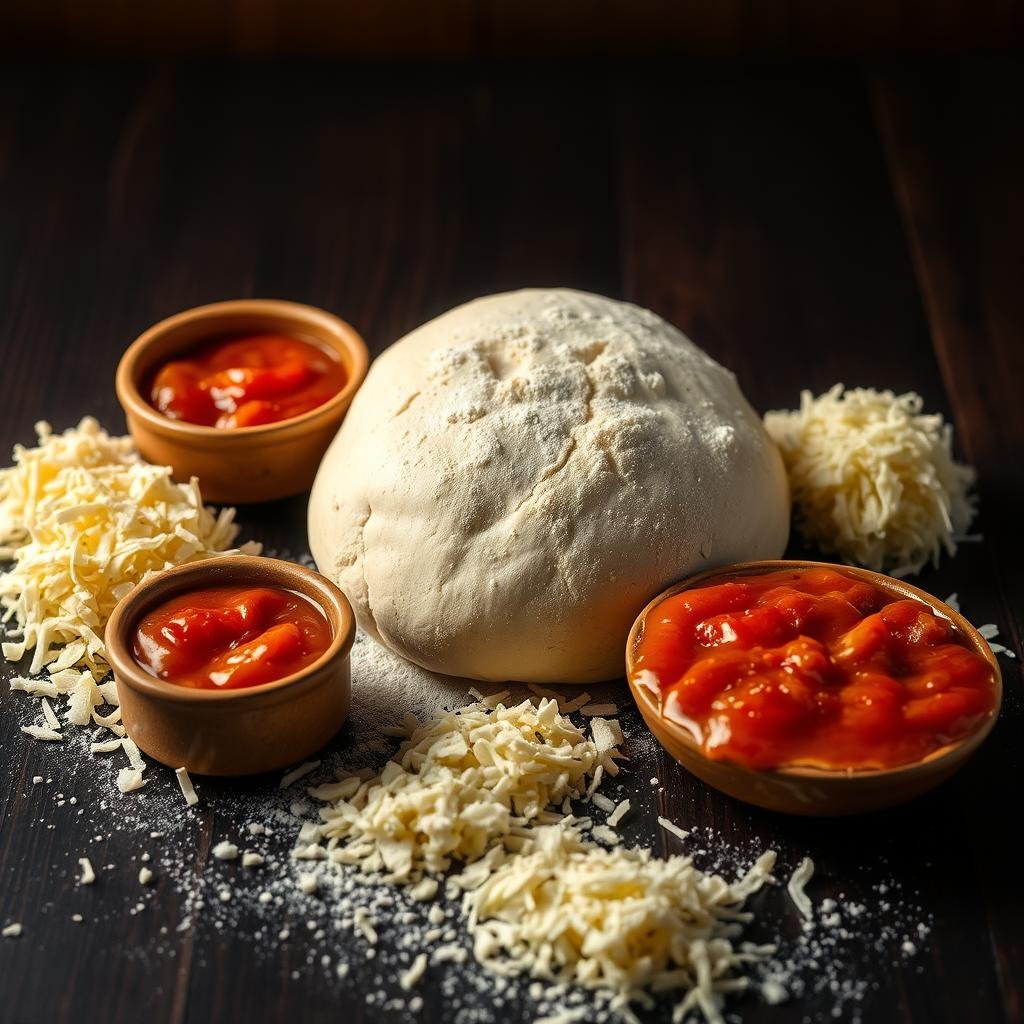
Dough: 1¼ cups water at 105°F, 2¼ tsp active dry yeast, 2 tsp sugar, 4–4½ cups all-purpose flour, ¼ cup extra-virgin olive oil, 1 tbsp kosher salt.
Sauce: 14 oz jarred pizza sauce + 14 oz canned tomatoes, crushed red pepper, kosher salt, pinch of sugar, dried oregano. Mix for a bright, semi-homemade finish.
Cheese & toppings: torn fresh mozzarella, thin-sliced provolone, grated whole-milk mozzarella, Parmesan, plus pepperoni, spicy soppressata, sausage, black olives, or spinach-ricotta.
Time overview: prep minutes, rises, and bake time
| Stage | What to expect | Minutes / Hours |
|---|---|---|
| Mixing | Combine water, yeast, sugar, flour, oil, salt in a bowl or mixer | About 15 minutes |
| First rise | Let the dough form a soft ball and become puffy | 1½–3 hours |
| Second rise | Stretch in a well-oiled sheet pan, cover with plastic | ~45 minutes |
| Bake | 450°F until golden, bubbly, and lacy at the edges | 15–20 minutes |
“Assemble smart: oil in the dough and oil in the pan deliver a crisp bottom and caramelized rim.”
- Mix in a bowl or use a mixer with a dough hook, then form a ball and let it rest until airy.
- Oil the sheet pan generously and press the dough edge to edge, keeping a narrow rim.
- Plan your time: prep minutes are short, but rises take hours; you can chill the dough over days for deeper flavor.
Step-by-Step: From Dough Ball to Crispy Pan Pizza
Follow a clear, timed workflow to turn a soft ball of dough into a blistered, sliceable tray pie. Proof the yeast in 105°F water with a pinch of sugar until foamy. Then mix the dough and switch to a dough hook, kneading about five minutes until it is smooth and slightly tacky.
First rise: oil a bowl, turn the dough to coat, cover tightly with plastic wrap and a towel, and let sit for 1½–3 hours until doubled and airy.
Generously oil a half sheet pan. Place dough in the center and press to the corners; if it resists, let it rest a few minutes and stretch again. Spread a thin layer of uncooked sauce on the raw dough before the second rise to bond flavor into the crumb.
Second rise and layering choices
Cover the pan with plastic wrap and proof for about 45 minutes so the dough relaxes and fills the pan. Choose cheese-first for a classic structure, or sauce-first to protect moisture—both work when timed correctly.
Bake and finish
Preheat oven to 450°F and set the rack in the center. Bake 15–20 minutes until edges brown and cheese bubbles. Let rest 5 minutes on a rack; finish with a drizzle of oil and grated Parmesan, then slice into sturdy squares.
“Use visual cues—browned edges, bubbling sauce, and a firm bottom—to pull your pie at peak doneness.”
Two Proven Methods: Double Proof vs Parbake
Pick a workflow—double proof for a saucy crumb or parbake to guard against a gummy center.
Double proof works when you want the sauce to marry with the dough during its final rise. Spread a wafer-thin layer of uncooked sauce on the raw dough in the pan, then proof about 45 minutes before adding toppings and baking. This yields a joined crumb and lively surface flavor while saving active baking time.
Parbake is the insurance policy. Butter and olive oil the pan, dimple only the center, and parbake the bare shell 10–12 minutes at 500°F on a preheated baking steel or stone. Cool briefly, add sauce, mozzarella, pepperoni, or veggies, then finish at 475°F for another 10–12 minutes. This stabilizes the crust and prevents gummy centers, especially with heavy toppings.
You choose based on toppings and schedule. Lighter loads favor the double-proof path; meats and extra cheese call for parbake. Also consider cold ferment for 18–72 hours for deeper flavor, or use bread flour in humid weather so your dough stays resilient.
| Method | When to use | Key temps & minutes |
|---|---|---|
| Double proof | Speed, saucy crumb, lighter toppings | Proof ~45 minutes, bake 15–20 minutes at 450°F |
| Parbake | Heavy toppings, avoid gummy center | Parbake 10–12 minutes at 500°F; finish 10–12 minutes at 475°F |
| Shared tips | Oven placement and rest | Place pan on lower/mid rack; rest on a rack after baking |
“Please use a preheated surface for parbakes — it will transform your bottom crust.”
Toppings That Win: From Pepperoni to Veggie Trio
Choose toppings that layer flavor and texture so each square tastes deliberate and balanced. Start by thinking about salt, fat, and brightness when you plan your set. This keeps the top browned and the bottom crisp.
Classic combos
Spicy soppressata with a three-cheese blend delivers bold flavor. Italian sausage with black olives is another stalwart that holds up under heat.
Add pepperoni or pickled jalapeños for extra kick. Keep slices modest so the pan heats evenly and the dough won’t go soggy.
Veg-forward choices
Sweat caramelized onions, sauté mushrooms and peppers, and dollop spinach mixed with ricotta, garlic, and Parmesan.
Precook watery veg for a few minutes to drive off moisture and preserve a crisp bottom and tidy squares.
Cheese strategy
Layer torn fresh mozzarella first for creamy pockets. Follow with deli-sliced provolone and finish with grated whole milk mozzarella for great melt and pull.
Spoon pockets of sauce on top so you get bright, acidic bursts without pooling in the center.
Finishes and final steps
- Finish with an olive oil drizzle, oregano, and crushed red pepper or hot honey for contrast.
- Balance salty meats with milky cheese and a fresh herb finish.
- Let the pie rest a few minutes so the cheese sets, then slice into sharp, tidy squares.
“Prep your toppings, stack them with intent, and your pan will reward you with even browning and clean slices.”
Pro Tips for Flawless Crust and Rise
Small adjustments make the biggest difference when you want a reliable crust and a strong rise.
Dial water to about 105°F so the yeast springs to life and your dough proofs predictably. Check yeast expiration and store instant yeast in the fridge or freezer to keep it potent.
Weather affects timing—build a stable rise by placing the bowl in a turned-off oven with the light on or cover with oiled plastic wrap and a towel. This keeps drafts away and holds gentle warmth for hours.
Hands-on shaping and parbake tricks
Dimple only the center before a parbake to avoid degassing the rim. That preserves a proud, airy perimeter while the center firms up during baking on a preheated steel or stone.
Fats, pans, and strong bottoms
Butter the pan first, then pour in olive oil for a stick-proof surface and deeply browned edges. Lloyd pans plus a hot baking steel intensify bottom heat and give restaurant-level crisp at home.
Make-ahead options and store-bought dough
Refrigerate the ball after the first rise for 18–72 hours for a lighter crumb. Bring it back to room temp about 30 minutes before you place dough in the pan to stretch.
- Use bread flour in humid climates for structure; all-purpose flour keeps the bite tender.
- Work with a clean bowl or mixer and measured cups of water and oil, then cover plastic wrap tightly to prevent skinning.
- If you use store-bought pizza dough, please use a smaller sheet pan or split portions and always oil the pan generously.
“Preheat oven thoroughly and rest on a rack after baking so steam won’t soften the bottom.”
Conclusion
The final step is visual—pull the tray when the bottom is golden and the cheese bubbles.
This approach gives you a crisp, non-gummy bottom in a standard oven using either double-proof with a thin sauce layer or a parbake on a hot steel.
Choose a half sheet pan or a Lloyd pan, butter plus oil the surface, and layer cheese and toppings like pepperoni, sausage, olives, or spinach-ricotta. Mix dough in a bowl, proof or cold ferment for richer flavor, then bake and rest on a rack before slicing.
Reheat slices on a sheet pan at 350°F, or from frozen at 425°F for 15–20 minutes. You now have a reliable pan pizza method that fits busy evenings and rewards your time in the kitchen.
FAQ
What pan should you use for an authentic thin Sicilian-style sheet pan pizza?
Use a half-sheet pan or a rectangular Lloyd-style pan for the best crisp on the edges and a tender middle. A well-oiled pan—olive oil works great—helps the crust brown evenly and releases easily. If you have a baking steel or stone, preheat it to strengthen oven spring when you slide the sheet in.
How do you choose between all-purpose and bread flour for the dough?
Bread flour gives more chew and structure thanks to higher protein, which helps retain gas during long rises. All-purpose produces a slightly softer crumb. If you want a crispier perimeter and breathing room for toppings, go with bread flour; for a softer bite, choose all-purpose.
Should you oil the pan with butter, olive oil, or both?
Olive oil is classic and creates that signature crisp, savory rim. Adding a little butter (melted) along the edges boosts browning and flavor. Combine them if you want the best of both: olive oil across the pan and a butter touch around the perimeter.
How long should the dough rise and do you need two rises?
A single room-temperature rise of 1–2 hours works, but a double proof—first bulk ferment, then a second rise stretched in the oiled pan—gives superior flavor and texture. For convenience and depth, cold ferment the dough in the fridge for 24–72 hours and then top and bake after a short second rise.
What’s the cheese-first vs sauce-first debate and which should you choose?
Cheese-first (layering cheese directly on dough before sauce) helps protect the crust from sogginess and gives a creamier mouthfeel. Sauce-first yields a brighter tomato topping but can make the center softer. For a thin Sicilian-style sheet pizza, put a thin layer of cheese first, then spoon a light sauce for balanced texture.
How hot should you preheat your oven and where to place the rack?
Preheat your oven to 475–500°F and place the rack in the middle or upper-middle position. If you use a baking steel, put it on the top third to encourage a crisp bottom and a nicely browned top. Make sure the sheet pan heats through so the crust sets quickly.
What’s the parbake method and when should you use it?
Parbaking means partially baking the crust before adding toppings. Use it when you load heavy toppings that risk steaming the dough or when your oven runs cool. Parbake 6–8 minutes until the surface firms, then add sauce and cheese and finish baking until golden.
How can you avoid a gummy center on a thick-topped pan pizza?
Prevent gumminess by using a thin sauce, lightly shredding or draining fresh mozzarella, and either parbaking or using a double proof to allow the dough to strengthen. Also make sure the oven is fully preheated and the pan is well-oiled so the bottom crisps quickly.
Which toppings stand up best to this format—meats, veg, or both?
Meats like spicy soppressata, pepperoni, and Italian sausage hold up well and add fat that browns nicely. Veg-friendly combos—caramelized onions, sautéed mushrooms, and roasted peppers—also work if you reduce excess moisture. Combine meat and veggies carefully so the crust stays crisp.
Can you make this in advance and reheat it successfully?
Yes. Bake fully or parbake, then cool on a rack and store in the fridge for up to 3 days. Reheat in a 400°F oven on a sheet or steel for 6–10 minutes to revive crispness. For longer storage, freeze slices wrapped tightly; reheat from frozen at 375–400°F until hot and bubbly.
What water temperature and yeast handling give the most reliable rise?
Aim for water around 100–110°F to activate instant yeast without killing it. If you use active dry yeast, proof it in warm water with a pinch of sugar for 5–10 minutes until bubbly. Store yeast in the fridge or freezer to preserve activity and always check expiration dates.
How much olive oil should you use on the pan and in the dough?
Generously oil the pan—about 2–3 tablespoons for a half-sheet—to coat the surface and edges. Adding 1–2 tablespoons of olive oil to the dough improves extensibility and browning. Too much oil on top can make the pizza greasy, so use it sparingly as a finishing drizzle.
Is a cooling rack necessary after baking?
Yes. Placing the pizza on a cooling rack for a few minutes prevents steam from softening the bottom and helps the crust stay crisp. If you skip the rack, the trapped moisture between pan and pizza can make the base soggy quickly.
Can you use store-bought dough or does homemade make a big difference?
Store-bought dough can be convenient and still yield great results if you give it time to relax and proof. Homemade dough offers more control over texture and flavor, especially with cold fermentation. Both work—choose based on your time and the flavor you want.