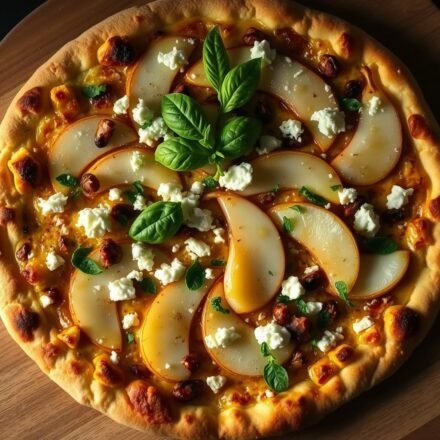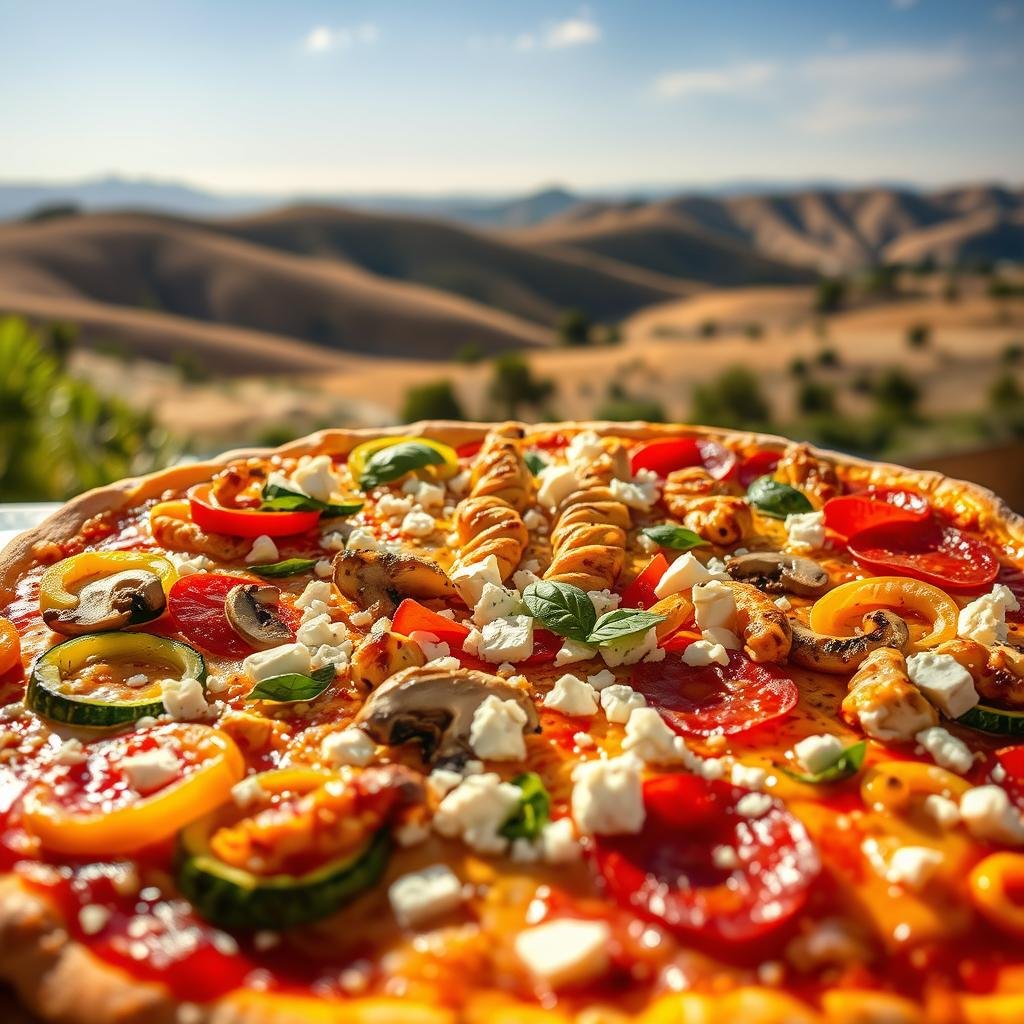

You step into a world where pizza meets a produce-first food scene, and bold combos rewrite the rules. Chefs from Wolfgang Puck to neighborhood pizzaiolos push seasonal, photogenic pies that still pack serious flavor.
Restaurant kitchens and farmers’ markets link up so vibrant herbs, peak vegetables, and clean proteins top a crisp base for big payoff. Iconic plates like California Pizza Kitchen’s BBQ chicken and Spago’s smoked salmon show how rule-breaking can set new standards.
You’ll learn how to choose adventurous yet doable toppings, which elements belong on after-bake finishes, and how to get balanced texture in every slice. By the end, you’ll know why locals defend these pies even when New York purists scoff, and you’ll feel ready to riff on this style at home or when ordering out.
Key Takeaways
- Seasonal produce and bold contrasts define this slice style.
- Notable chefs helped turn rule-breaking into mainstream flavor.
- Farmers’ markets feed restaurant creativity and topping choices.
- Finish some elements after baking to keep texture and brightness.
- This guide helps you pick adventurous but achievable toppings tonight.
California Pizza: Fresh and Creative Toppings—what you’ll love right now
This style flips expectations—bright produce, unexpected sauces, and smart post-bake finishes that keep flavor lively.
Why rule-breaking wins:
Why pies break the rules (and win on flavor)
Market-driven ingredients deliver contrast, color, and punch. Swap classic tomato for a tangy crème fraîche or BBQ, then add herbs after the oven to keep brightness.
“Seasonal choices and timing make the difference between good and unforgettable.”
At-home success: crust, sauce, and oven basics you can trust
Make a simple dough in a bread-maker, mixer, or by hand. Use warm water with active dry yeast, add honey and olive oil, and mix until slightly sticky.
Let the dough rise an hour until doubled. Preheat your oven to 415°F and oil the baking sheet generously so the crust crisps, not steams.
- Roll dough on the oiled sheet, spread a thin layer of red sauce (a cup works for most pies).
- Add cheese, bake 15–20 minutes until the crust is golden.
- Post-bake: add avocado, arugula, or burrata to preserve color and texture—make sure these go on after baking.
Save the recipes that work and repeat them. With a few measured cups, a steady timeline, and the right technique, you’ll get consistent, restaurant-style results at home.
BBQ chicken with red onion and cilantro
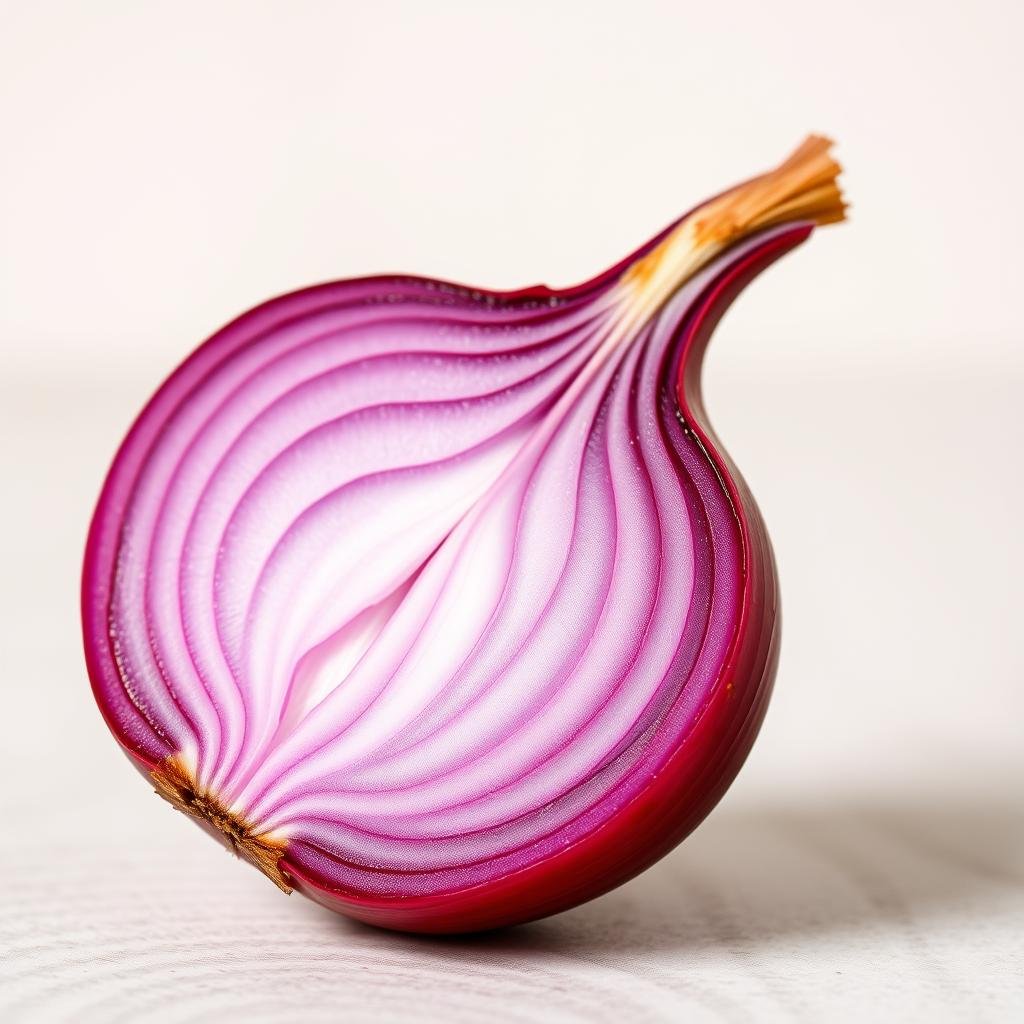
When sweet-tangy barbecue replaces tomato, every bite plays with char, smoke, and bright herbal lift. This iconic pie—made famous by a major chain—puts grilled chicken and thin red onion slices over a caramelizing glaze for deeply satisfying contrast.
Icon status: the California Pizza Kitchen original
CPK helped make this combination a staple by keeping the build simple and the results consistent.
Juicy, seasoned chicken is cooked first, then diced so you get even coverage across the pizza. You trade classic red sauce for a smoky-sweet sauce that amps up flavor as it bakes.
Sauce swap: sweet-tangy BBQ over tomato, plus post-bake herbs
Lay a moderate layer of glaze so the crust stays sturdy and the chicken remains the star. Scatter thin onion slices to soften while keeping a crisp edge.
- Finish with a shower of cilantro after baking to keep herbs vivid and aromatic.
- Serve hot so the sauce glazes and each topping harmonizes in every slice.
“Balanced, craveable, and unforgettable from the first slice.”
Fresh avocado club
Top a hot crust with cool avocado to create a contrast that feels bright and satisfying. Let the pie come out of the oven bubbling, then add ripe Hass fruit at the last second so texture and color stay intact.
Cool meets hot: creamy slices added after baking
This method keeps the avocado silky while the crust stays crisp. Layer crisp bacon, lettuce, and juicy tomatoes for a BLT effect that balances smoke, salt, and freshness.
- Use a whisper of olive oil or light sauce so the base supports, not overwhelms.
- Add avocado slices and undressed greens after baking to avoid sogginess.
- Choose ripe Hass for buttery richness; add them at the last second.
“Bake first, finish fast—this turns a slice into a salad-meets-pie moment.”
| Step | Action | Goal |
|---|---|---|
| 1 | Bake crust with light base | Maintain crispness |
| 2 | Top with bacon and tomatoes | Layer savory contrast |
| 3 | Add avocado slices and lettuce | Preserve creaminess and color |
| 4 | Slice neatly and serve | Even avocado coverage per piece |
This simple recipe flow—bake, finish, serve—lets you deliver a refined club-style slice every time. Try this recipe tonight for a modern take that reads like a light meal and tastes like a treat.
Wolfgang Puck’s smoked salmon
This Spago original starts with a thin, blistered crust and a dill-infused crème fraîche in place of tomato.
That herbed cream lightens the cheese element and gives the base an elegant, tangy lift.
You bake the base until golden, then spread the crème fraîche and add thin ribbons of premium smoked salmon after the oven. Keep heat exposure minimal so the fish stays silky and aromatic.
- Finish: optional pearls of caviar, minced chives, or lemon zest brighten each bite.
- Balance: crisp base, cool herbed dairy, and briny fish create refined contrast.
- Portion: stack salmon thoughtfully so every slices carries flavor evenly.
“A showpiece for special occasions—this restaurant creation makes splurging feel justified.”
| Step | Action | Reason | Timing |
|---|---|---|---|
| 1 | Bake thin crust | Ensure crispness | 10–12 minutes |
| 2 | Spread dill crème fraîche | Light, herbed base | Post-bake |
| 3 | Arrange smoked salmon and garnish | Silky texture, bright aromatics | Immediately before serving |
Delicate squash blossoms with mozzarella or burrata
Squash blossoms are a short-season gem at farmers’ markets. You want just-open blooms so the petals hold shape while they blister. This simple approach highlights subtle sweetness without heavy fuss.
Seasonal farmers’ market star for summer
Shop early. Pick blossoms that feel light and dry, then use them the same day for peak aroma and texture. LA chefs often source from local farms because the season is brief and prized.
Presentation tip: lightly crisped blossoms, soft cheese pull
Stretch your dough, brush sparingly with olive oil, dot with fresh mozzarella and small spoonfuls of burrata. Arrange blossoms evenly so each slice looks like a summer moment.
- You keep toppings minimal so floral notes come through.
- Bake hot and fast; this crisps the base while the cheese relaxes into a perfect pull.
- Finish with a pinch of salt and a little lemon zest to lift flavor without overpowering the pie.
“Stretch, brush, dot with cheese, arrange blossoms, bake, and serve immediately.”
Post-bake arugula with prosciutto
A simple post-bake dressing of olive oil and lemon makes arugula sing over a warm slice. Toss the greens just before you top the pie so they stay glossy and bright.
You bake a minimal base—light sauce and cheese—so the salad element stands out. The residual heat will gently wilt the leaves while keeping a snap to each bite.
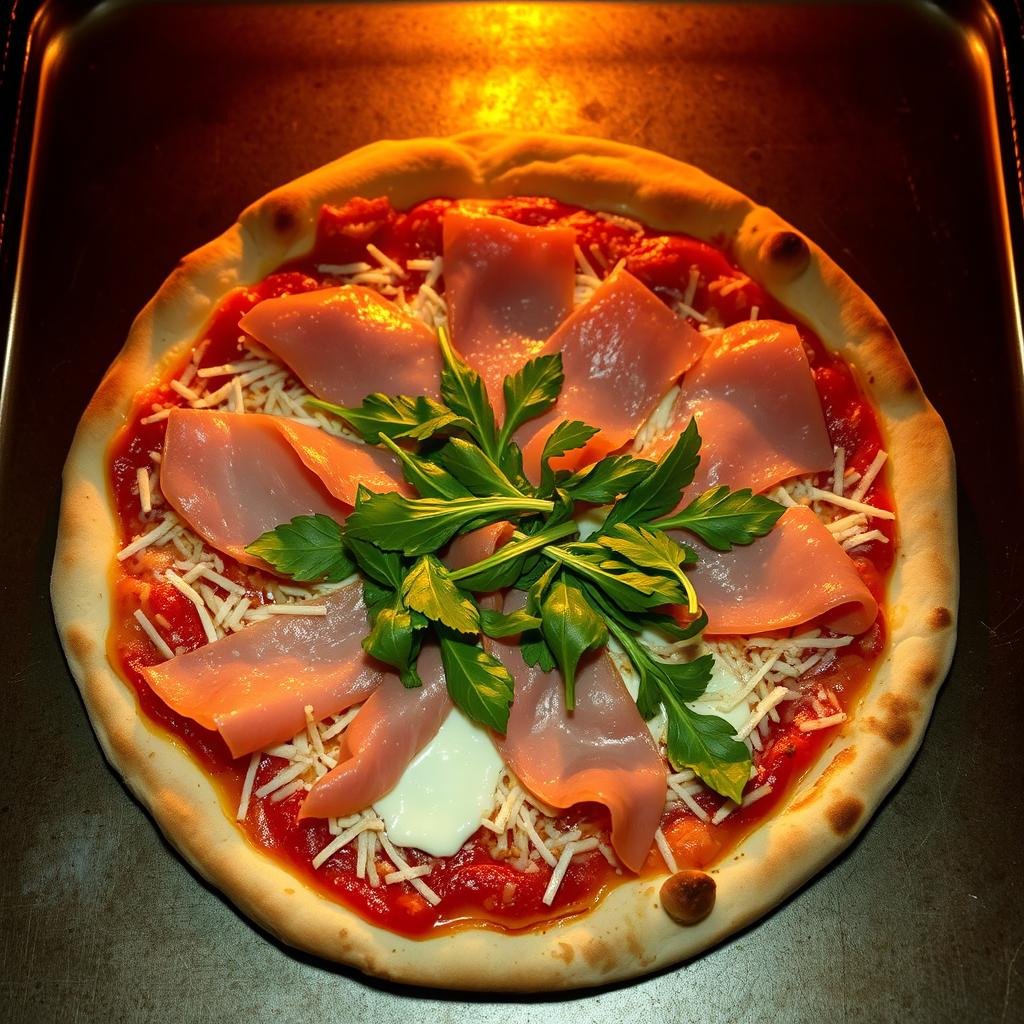
Paper-thin prosciutto is draped over the dressed arugula. As the fat warms, the meat perfumes the slice and adds salty depth without overpowering the greens.
- Toss arugula with a glug of oil and a squeeze of lemon just before topping.
- Drape prosciutto so the heat softens the fat and releases aroma.
- Rely on the greens’ natural pepper bite to cut through rich cheese and pork.
- Assemble fast: bake, dress greens, top with meat, slice, and serve.
“This salad-meets-pizza approach gives you a lighter slice that still satisfies on warm nights.”
| Step | Action | Purpose |
|---|---|---|
| 1 | Bake a simple base | Keep crust crisp and flavors balanced |
| 2 | Toss arugula with olive oil and lemon | Provide glossy, bright greens |
| 3 | Drape prosciutto over greens | Add savory, pork-rich depth |
| 4 | Slice and serve immediately | Preserve texture and contrast |
This easy recipe is about balance and restraint. Use just enough oil to shine without sogginess. Follow the flow and you’ll get a vibrant, crowd-pleasing pizza that feels light but still indulgent.
Sonoma goat cheese with caramelized onions
Make a show-stopping pie by pairing tangy Sonoma chèvre with slowly caramelized onions for a refined sweet‑savory bite.
Local chèvre heritage traces back to producers like Laura Chenel, who helped popularize goat cheese in the 1970s. That tangy profile is the reason you choose Sonoma chèvre for this build.
How it melts and how to cook it
Unlike mozzarella, chèvre softens into creamy pockets instead of stretching. Dot the cheese in small mounds so it melts into islands across the crust.
- Slow-cook onions until jammy to bring natural sweetness that flatters the tang.
- Keep the base light—olive oil or a thin sauce—so the cheese and onions take center stage.
- Consider a few olives or a drizzle of honey for layered complexity without clutter.
Simple recipe order: par-cook the onions, assemble, bake until edges brown and chèvre softens, then serve hot so the cheese stays supple and the onions remain glossy.
“A wine-friendly slice that reads like Northern terroir on a crust.”
Marinated artichoke hearts with olives and herbs
Start with well-drained artichokes so each piece roasts instead of steaming. That step concentrates flavor and lets the edges caramelize into sweet, briny bites.
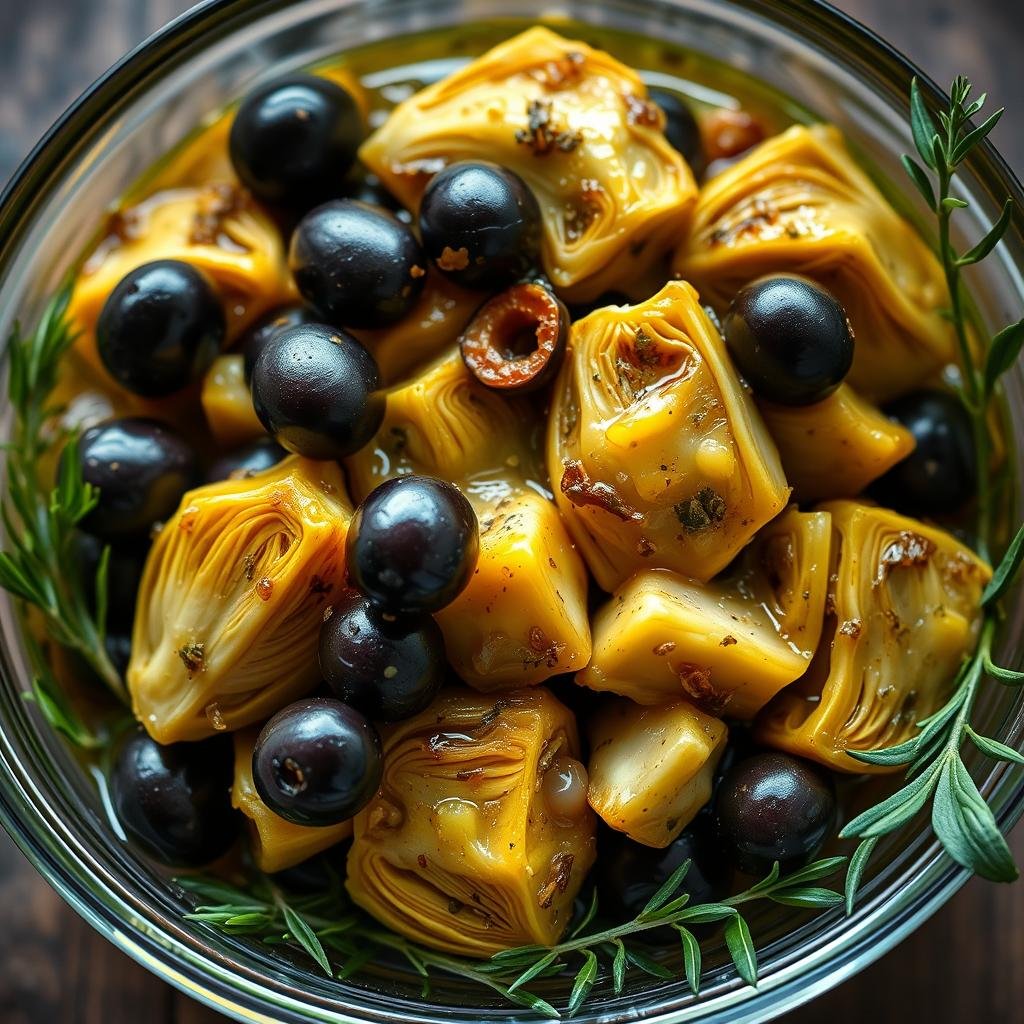
Scatter a few olives for sharp, salty pops. Add a touch of minced onion or garlic to round the savory profile without masking the artichoke’s tang.
Brush the base lightly with olive before you assemble. A thin oil layer encourages browning and a crisp bite under the toppings.
- Stretch the dough thin.
- Brush with oil and place artichokes evenly.
- Add olives and a pinch of minced onion or garlic.
- Bake hot until edges show color, then finish with fresh herbs.
This simple recipe yields a meatless, Mediterranean-leaning pie that wins over skeptics. Serve it hot so each slice of pizza keeps structure and lively flavor.
“Drain well, roast hard, finish light—this is how a vegetarian slice earns applause.”
Post-bake burrata for a dramatic, creamy finish
Make the last step the most memorable. Place burrata on a hot pie the second it comes out of the oven so the shell softens while the cool center stays intact. The temperature contrast is the show: warm crust and chilled cream meet at the table.
Table-side moment: split the burrata and let it flow
Create theater by slicing the burrata at the table and letting the cream spill across each slice. Keep the base restrained — a light tomato or white sauce lets dairy take center stage.
- Top immediately after baking so the shell warms but the core stays cool.
- Portion into smaller slices so each guest gets that creamy flow.
- Finish with flaky salt, cracked pepper, and basil for bright contrast.
| Step | Action | Timing |
|---|---|---|
| 1 | Bake simple base | In the oven |
| 2 | Top with burrata | Right after baking |
| 3 | Slice open, garnish, serve | Table-side |
This recipe cadence delivers a heightened sensory hit—hot and cool, firm and creamy—that guests remember. Pair the pie with a crisp salad or a sparkling beverage to cut richness. For a reliable crust to carry this finish, try our perfect dough recipe.
Hawaiian-inspired pineapple and bacon
Sweet caramel notes from oven-roasted pineapple pair with thick-cut bacon for an elevated island bite.
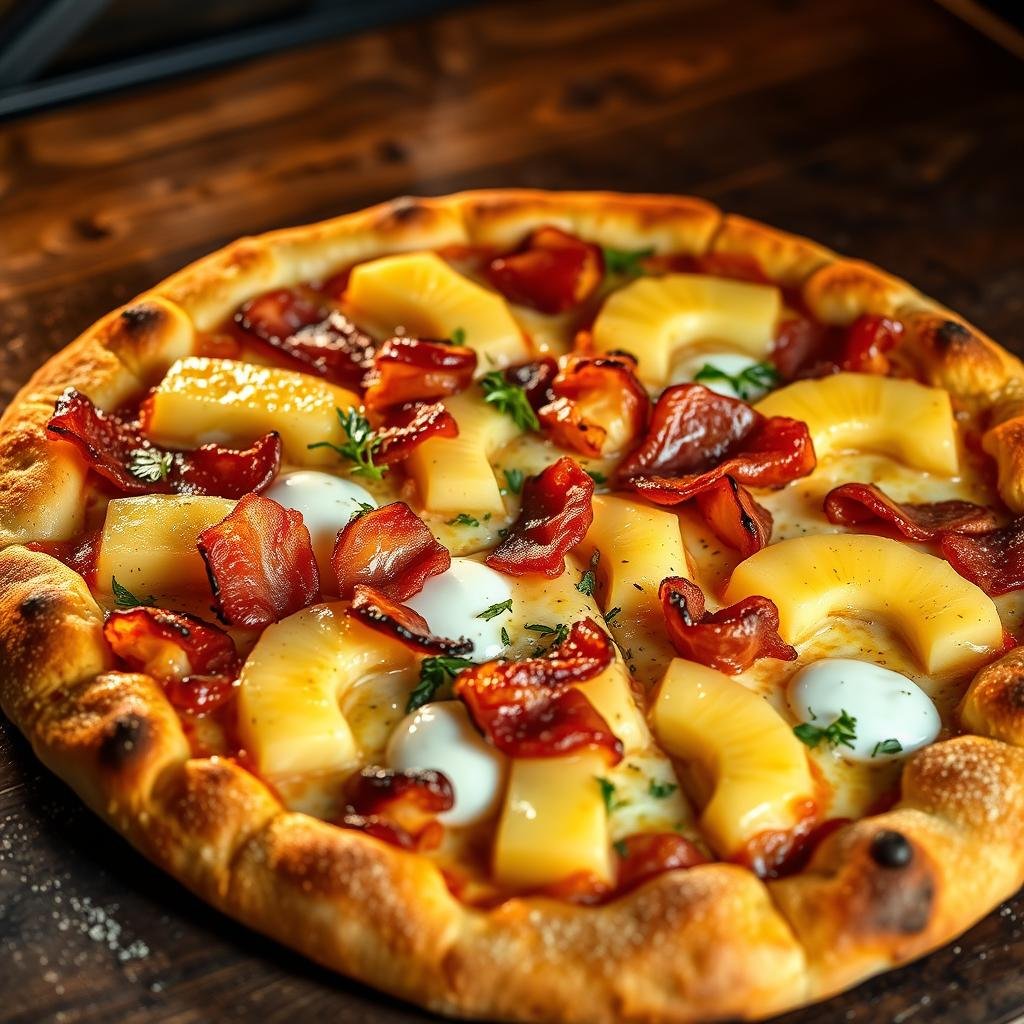
Use fresh pineapple so sugars brown during baking, deepening tropical flavor. Pair it with smoky, thick-cut bacon so the savory pork holds its own against bright fruit.
Keep cheese moderate to let the fruit sing. Distribute fruit and pork evenly so each slice delivers balance, not overload.
- Brush pineapple with a light honey or chili glaze for sheen and gentle heat.
- Arrange bacon and fruit over a thin sauce, bake hot, finish with a pinch of chili salt.
- Serve immediately so bacon stays crisp while pineapple stays juicy.
| Step | Action | Purpose |
|---|---|---|
| 1 | Caramelize pineapple briefly | Deepen sweetness |
| 2 | Lay thick-cut bacon evenly | Ensure pork balance |
| 3 | Bake hot until crust browns | Finish caramelization |
| 4 | Garnish, slice, serve | Preserve crispness, flavor |
“This clean, modern take converts skeptics with sunshine in every slice.”
Blistered fresh jalapeños with a touch of honey
Let fresh jalapeños take center stage by slicing them lengthwise and placing them on a lightly sauced crust. A hot oven blisters skins quickly, releasing bright oils into the cheese while softening the raw bite.
Why fresh chiles beat pickled: you get grassy, immediate heat and cleaner aromatics that pickled pepper can’t match. Slice long for visual appeal and even coverage so each slice carries the same kick.
Finish the pie post-bake with a thin drizzle of honey to balance heat with a sweet lift. Decide how spicy you want it — remove seeds to tame heat or leave membranes for a sharper burn.
- Use a light sauce so peppers stand out.
- Scatter sliced jalapeños evenly for consistent spice.
- Follow a crisp recipe flow: top lightly, bake hot, finish with honey, serve immediately.
“Blister, finish, and serve — simple moves that turn a slice into an addictive sweet-heat moment.”
Carne asada fusion with cilantro, onion, and salsa verde
When carne asada meets a hot crust, you get a savory, citrusy fusion that’s built to share.
Street‑food roots: This pie traces to Southern California neighborhoods and LA food trucks where marinated steak and quick finishes became a natural crossover into pizza.
Pro move: add guacamole after the oven
Marinate flank or skirt steak, grill to medium‑rare, then slice thin so it stays tender atop the pie.
Spoon bright salsa verde over the finished slices. The salsa cuts through melted cheese and steak richness with acidity and herb lift.
- Scatter chopped onion and cilantro for taco‑truck aromatics that read clearly in every bite.
- Add guacamole only after baking so it stays creamy and does not brown or weep.
- Keep other toppings modest so the crust holds firm and avoids sogginess.
- Prep steak and salsa ahead to make a fast, smooth assembly night at home.
| Step | Action | Timing |
|---|---|---|
| 1 | Par‑bake crust with light cheese | Preheat oven, 8–10 minutes |
| 2 | Add grilled steak, finish baking | 5–7 minutes until cheese melts |
| 3 | Top with salsa verde, onion, cilantro | Immediately after oven |
| 4 | Spoon guacamole, slice, serve | Right before serving |
“This is SoCal on a slice — bold, balanced, and built for sharing.”
Conclusion
Finish strong with a simple plan: pick one or two standout flavors, build a crisp crust that can hold generous layers, and keep the process on a sensible schedule so dinner lands on time.
Mix a sticky dough with warm water, active dry yeast, honey, and olive oil. Let it rise about an hour, then bake at 415°F for 15–20 minutes on an oiled sheet. A cup of sauce and a few cups of shredded cheese usually give even coverage without heaviness.
Make sure to add avocado, arugula, or burrata after the oven to preserve color and texture. Shop the market, measure smart, and iterate with recipes you love—this is how you turn bold, market-driven ideas into reliable home pizzas everyone will crave.
FAQ
What makes California-style pies different from New York or traditional recipes?
You get a focus on inventive toppings, seasonal produce, and bolder flavor contrasts rather than strict adherence to classic formulas. Expect thin to medium crusts that support fresh ingredients like avocado, arugula, smoked salmon, or goat cheese. This approach prioritizes balanced textures and bright, layered tastes so every bite feels modern and vibrant.
How do I get a crisp crust at home without a professional oven?
Preheat a pizza stone or heavy baking steel in your oven at the highest temperature for at least 45 minutes. Stretch your dough thin, brush the edge with olive oil, and bake directly on the hot surface. Par-bake the crust for a few minutes before adding moist toppings to prevent sogginess. Finish under high heat to get that desirable blister and chew.
When should I add delicate toppings like avocado, arugula, or burrata?
Add these items after the pie leaves the oven. Avocado and burrata lose texture and richness with heat, while arugula wilts quickly. Post-bake placement preserves creaminess, fresh peppery notes, and visual appeal, letting you create dramatic table-side moments and vibrant contrasts.
Can I swap traditional tomato sauce for alternatives like BBQ or salsa verde?
Yes. Swapping sauces is a signature move in this style. Use a thin layer of sweet-tangy BBQ for chicken-based pies, or a spoonful of salsa verde for carne asada fusion. Keep sauces light to avoid weighing down the crust and aim for complementary post-bake garnishes like cilantro or guacamole.
What cheeses work best with creative toppings like squash blossoms or smoked salmon?
Soft, milky cheeses like burrata, fresh mozzarella, or goat cheese pair beautifully. Burrata adds a creamy finish, mozzarella offers melt and stretch, and chèvre brings tang that contrasts with sweet or smoky toppings. Match the cheese intensity to the topping so no single flavor overwhelms the pie.
How do I prevent watery toppings such as tomatoes or mushrooms from making the crust soggy?
Slice tomatoes thin and drain or salt them briefly to remove excess moisture. For mushrooms, sauté quickly to release and evaporate juices before adding. Another tactic is to par-bake the crust and apply only minimal sauce, creating a barrier between the dough and wet ingredients.
What oven temperature and bake time should I use for thin vs. medium crusts?
For thin crusts, set the oven to 500–550°F and bake 6–10 minutes on a preheated stone or steel. For medium crusts, 475–500°F for 10–14 minutes works well. Watch for a golden, blistered rim and melted cheese—those visual cues are better than rigid times because ovens vary.
Are there recommended topping combos for first-time experimenters?
Try a few balanced starters: BBQ chicken with red onion and cilantro; smoked salmon with capers and dill over a thin crème fraîche base; or goat cheese with caramelized onions and a drizzle of olive oil. These combos mix savory, sweet, and fresh elements so you can learn how flavors interact.
How should I season and finish a pie for restaurant-quality results?
Use high-quality olive oil, a sprinkle of flaky salt, and a grind of black pepper after baking. Brighten with fresh herbs like cilantro or basil and consider a squeeze of lemon on seafood toppings. Finish with post-bake ingredients such as arugula or thinly sliced red onion for crisp contrast.
Can I prepare toppings ahead of time for faster assembly?
Absolutely. Caramelize onions, marinate artichoke hearts, and precook proteins like pork or chicken in advance. Store components separately and assemble right before baking to keep textures intact. Quick prep saves time without sacrificing the fresh, vibrant character you want.
How do you balance bold flavors—like jalapeño with honey or pineapple with bacon—so they don’t clash?
Use contrast and restraint. Pair heat with a sweet element (honey on jalapeño), or smoky-salty bacon with pineapple’s acidity, but keep quantities moderate. Layer flavors: a thin base sauce, a measured amount of cheese, and a few bold toppings so each bite has harmony rather than one dominant note.
What tips do you have for slicing and serving pies with soft post-bake toppings?
Use a sharp wheel or large chef’s knife, and let the pie rest 1–2 minutes so cheeses set slightly. For burrata or avocado-topped pies, slice carefully and serve immediately so the creamy elements flow but don’t run everywhere. Offer extra napkins—these are meant to be enjoyed with a little indulgence.