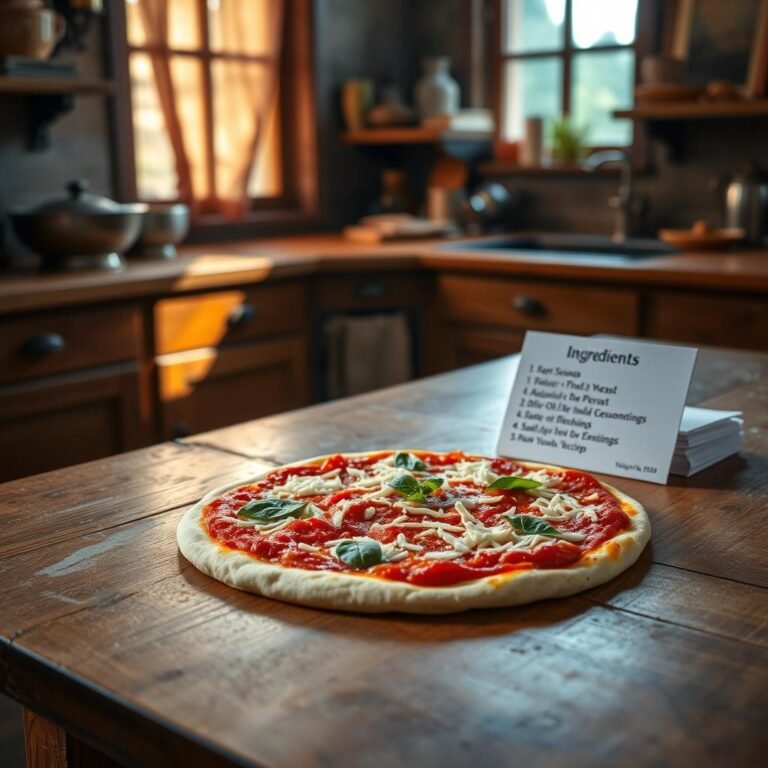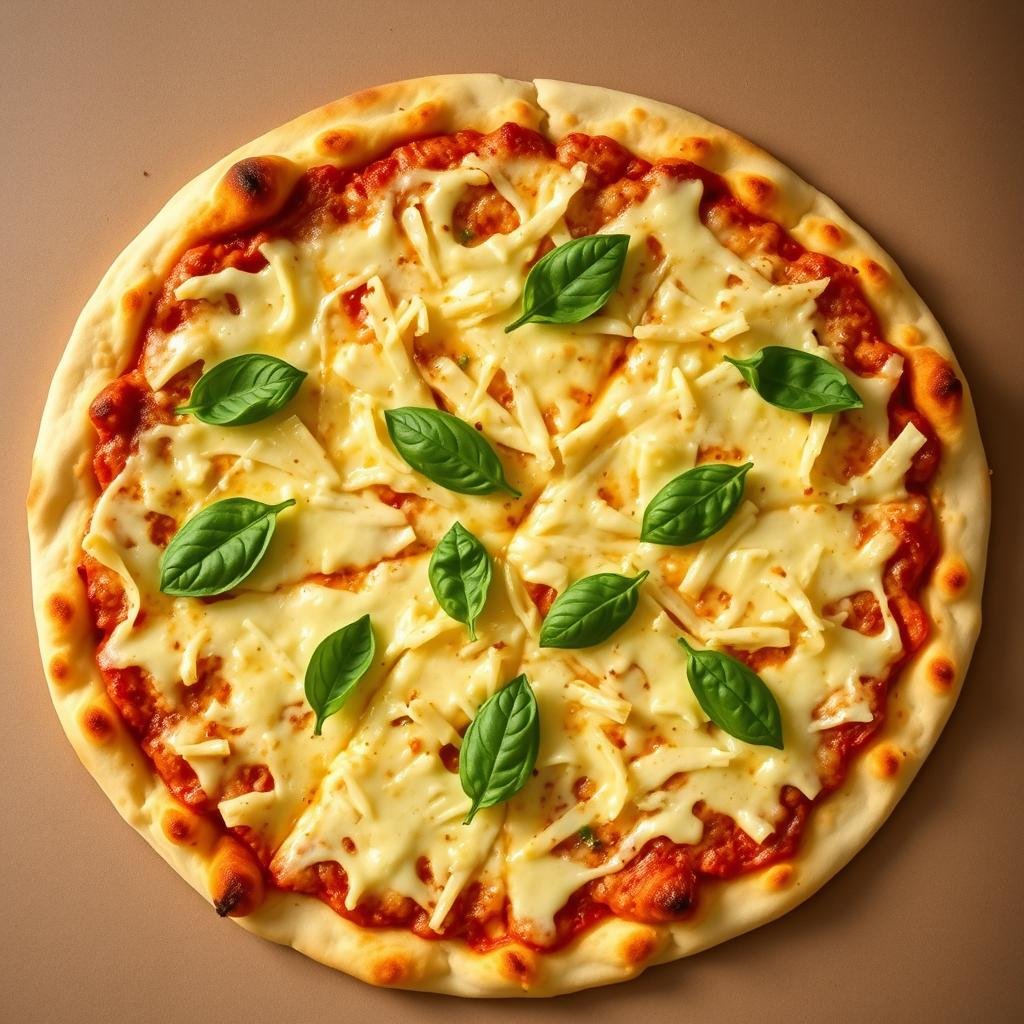

You’re about to master a pizza that pairs a shattering, cracker-thin crust with a creamy, smoky cheese topping. This introduction maps a clear recipe way so you can reproduce the hallmark snap and flavor at home.
First, you learn why a little shortening and modest yeast in the dough yields that crisp, flaky bite many think is mythical. Packaging from Imo’s and local parlor tips confirm the truth: technique, not secret yeast, makes the difference.
Your sauce uses tomato paste and classic herbs, spread to the edge so every square delivers full flavor. Bake fast on a preheated stone or steel at about 500°F to lock in crunch, then finish with a sprinkle of Romano and oregano.
Key Takeaways
- You’ll get a crisp, shattering crust by using shortening and precise heat.
- The sauce is sweet, herb-forward tomato paste spread to the edge.
- A creamy provel-style topping melts smooth and hugs the crust.
- Parbake on a hot steel or stone, then finish quickly for best results.
- Cutting in tavern-style squares makes the pie easy to share.
Why You’ll Love This Ultra-Crispy St. Louis Style Pizza at Home
This recipe turns a high-fat dough and searing heat into a pie that snaps like a cracker and melts like a dream.
Your base uses about 15% shortening by flour weight to interrupt gluten formation. That deliberate fat creates a pastry-like bite so the crust will snap and shatter instead of stretch.
Parbake a docked, ultra-thin round on a preheated 500°F stone or steel to set the base fast. A thin, even tomato paste-based sauce brushed to the edge prevents soggy spots and keeps flavor consistent across every square.
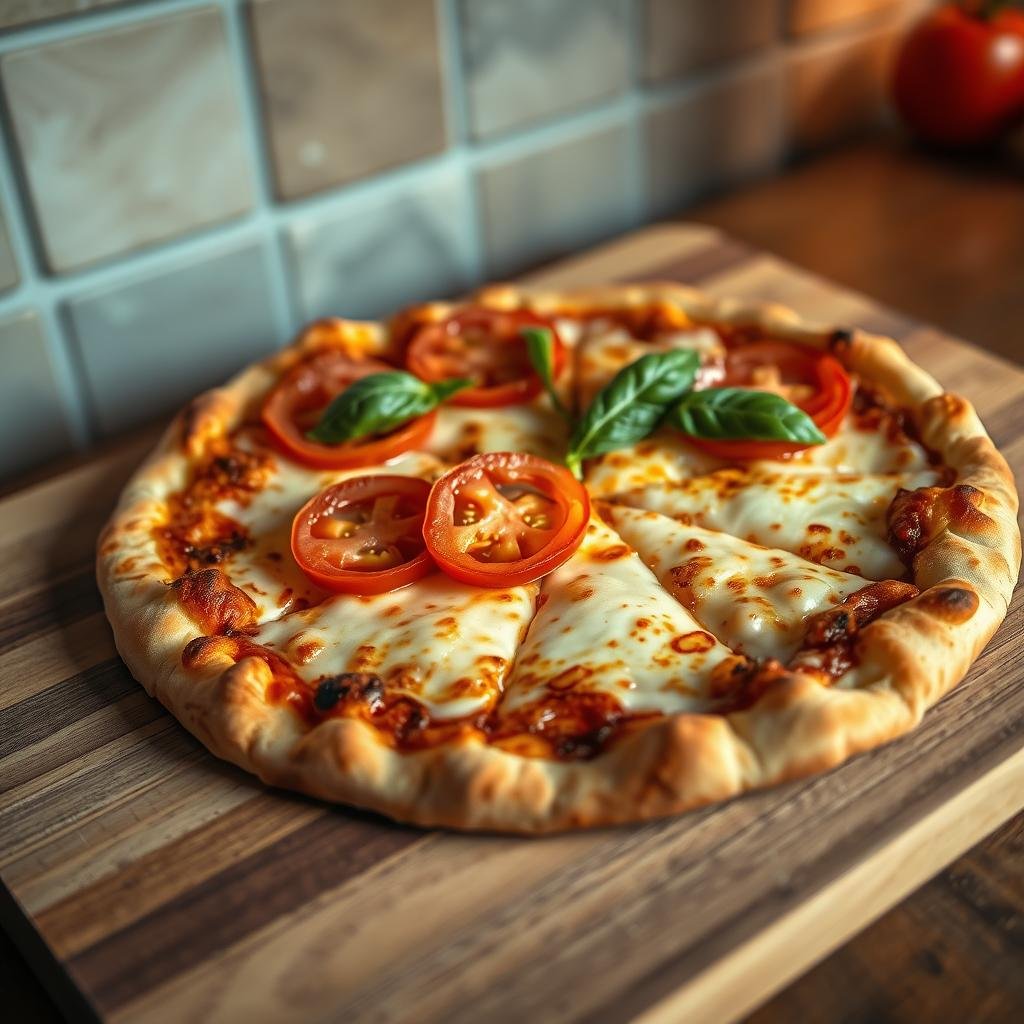
Top carefully: use a sodium-citrate stabilized provel-style blend so the cheese melts creamy without separating. The whole pie browns to deep golden in just minutes, then you cut it into small squares for easy sharing.
- Fast results: dinner lands on the table in minutes thanks to high heat and a brief parbake.
- Reliable texture: shortening gives that true crisp crust while the sauce and cheese stay balanced.
- Repeatable: the method works in most home ovens, so you can make this style your way again and again.
| Feature | Why it matters | Result |
|---|---|---|
| 15% shortening in dough | Limits gluten for a flaky bite | Snap and shatter texture |
| Parbake on 500°F stone | Sets an ultra-thin base quickly | Consistent, crisp foundation |
| Tomato paste sauce edge-to-edge | Prevents soggy pockets | Every square tastes balanced |
| Sodium-citrate cheese blend | Stable, creamy melt | Gooey top without separation |
Ingredients and Tools You’ll Need for a Crispy, Tavern-Style Pie
Gathering the right items makes the baking process fast and reliable. You’ll stock your pantry with dough basics: ice-cold water, a pinch of sugar, instant yeast, salt, and all-purpose flour. Add vegetable shortening—about 15% of the flour weight—to get that flaky snap.
For the sauce, keep tomato paste, water, a little sugar, garlic powder, dried basil and oregano, and black pepper on hand. Whisk them in a bowl, simmer about 10 minutes, and brush a thin layer edge-to-edge.
Make the homemade blend by melting a provolone-forward mix with Swiss and cheddar in cream using sodium citrate and a drop of liquid smoke. Chill, then shred for a silky, processed cheese–style melt that echoes the original flavor.
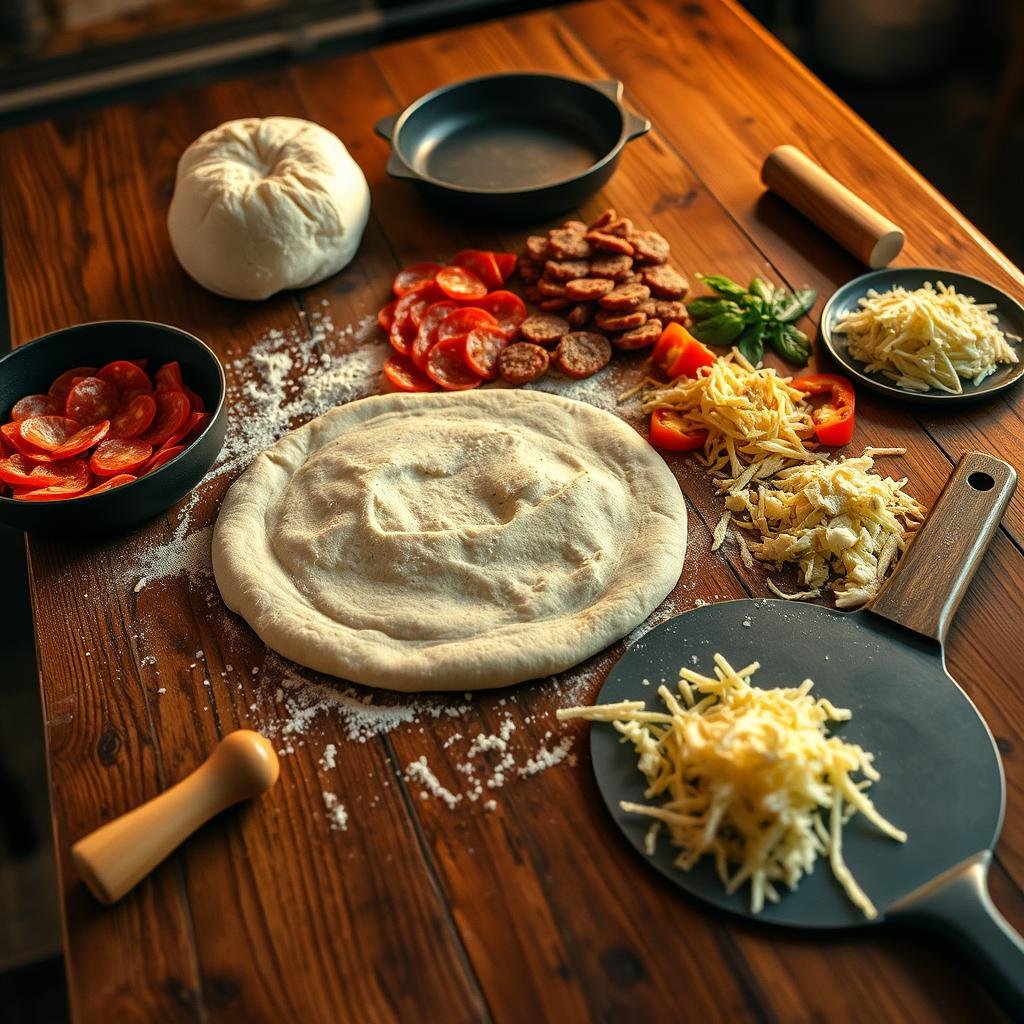
- Preheat a baking stone or steel to 500°F for strong bottom heat.
- Use parchment to roll ultra-thin dough and to transfer to the stone.
- Keep a peel or an inverted sheet pan to parbake, top, and finish.
- Measure with a cup and teaspoon and mix in a bowl for consistent results.
When you’re ready, follow a tight workflow from dough to sauce to cheese so the final bake fits your weeknight pace. For a full step-by-step, try this detailed homemade recipe guide: best homemade pizza recipe.
Cracker-Thin Pizza Dough with Shortening for Snap and Shatter
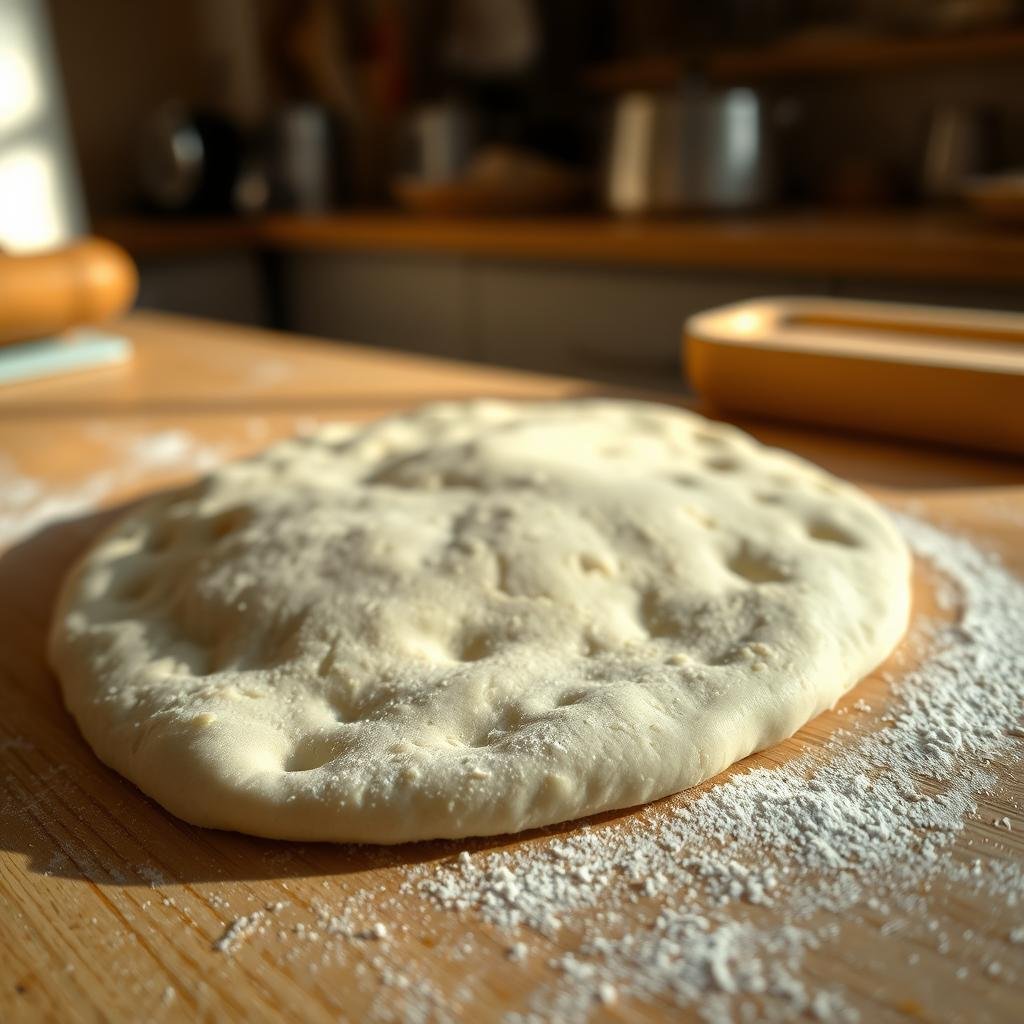
Make a dough that snaps by combining real yeast, measured shortening, and a patient cold rest. This approach debunks the myth that a yeasted base can’t be wafer-crisp; authentic st. louis shops use yeast in their process.
Why shortening over oil? Shortening is pure fat, so it interrupts gluten formation more reliably than oil and avoids the steam you get from butter’s water. Aim for about 15% fat by flour weight to add flake without greasiness.
Key technique notes
- You’ll use all-purpose flour to keep protein low so the crust stays snappy.
- Cold rest 24–48 hours to deepen flavor and make the dough easy to roll ultra-thin.
- Dock thoroughly and parbake briefly to set the base before saucing and topping.
“The shortening-and-yeast route delivers the most convincing crunch; baking powder and olive oil versions exist, but they don’t match the texture.”
| Method | Result | When to use |
|---|---|---|
| Shortening + yeast | Pastry-like snap | Best for true st. louis style |
| Olive oil / baking powder | Quick, softer bite | Fast or oil-forward ways |
| Cold rest | Flavor and rollability | 24–48 hours |
Sweet, Tomato Paste-Based Sauce that Reaches Edge to Edge
Make a thin, sweet tomato spread that hugs the dough and keeps the crust crisp under the cheese.
Balance is simple: whisk one can of tomato paste with water until smooth, then season. Add a measured teaspoon of sugar and a pinch of salt. Stir in garlic powder, dried basil, and dried oregano, and finish with a little black pepper.
Bring the mixture to a gentle simmer and cook for about 10 minutes. This melds flavors and slightly thickens the paste so it brushes easily.
Use a thin, even coat when you top the parbaked base. Brush or spoon the tomato sauce all the way to the edge so there’s no exposed rim. That edge-to-edge approach prevents soggy spots and keeps your pizza snappy.
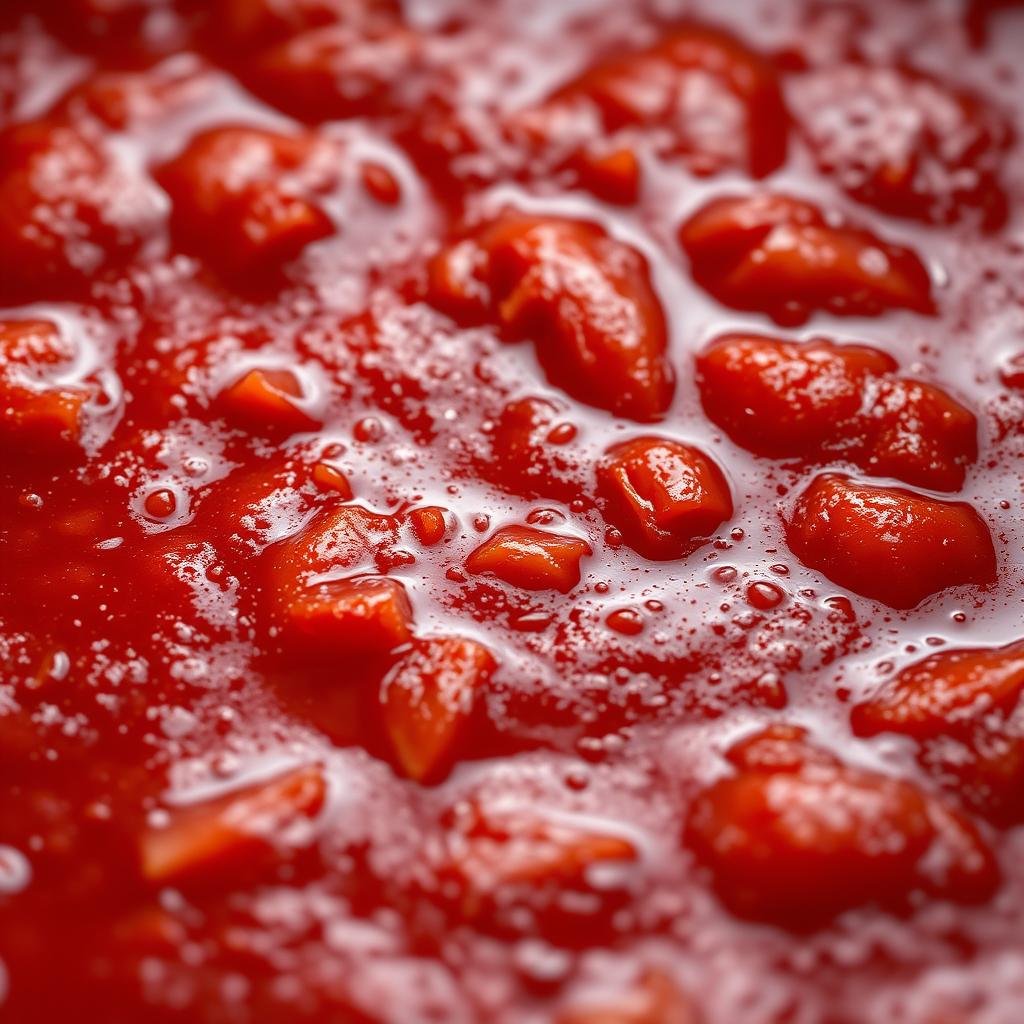
- Use roughly a cup of sauce for two pies—avoid heavy pools.
- Let the sauce cool before spreading so it slides on smoothly.
- Adjust seasoning to taste; the goal is gentle sweetness and light herb notes that support the cheese.
St. Louis Style Pizza: Thin Crust with Provel Cheese
Create a true parlor-style topping at home by turning real cheeses into a single, silky emulsion that melts evenly and won’t string. You’ll get a buttery, spreadable topping that behaves like the classic processed version.
Make a stable melt using sodium citrate
Sodium citrate is the key to a glossy, unified melt that acts like processed cheese. Dissolve the sodium citrate in a cup of warm cream, then add shredded cheese over low heat while whisking. This creates a pourable, cohesive mix you can chill and grate.
Blend ratios that nail the flavor
Use provolone-forward ratios: combine provolone, Swiss, and cheddar in a 2:1:1 mix. Prioritize provolone for a mild, buttery base that melts cleanly. This blend recreates the creamy, non-stringy texture most people expect.
Liquid smoke and cream: dialing in the finish
Add a measured teaspoon or just a few drops of liquid smoke for that faint smoked aroma. Melt low and slow, cool until firm, then grate the set mixture. Spread a generous, even layer, then finish with Romano and oregano for a classic parlor lift.
- Tip: dissolve sodium citrate in cream first for a smooth emulsion.
- Chill the set mix, then grate for fast, even topping.
- Use the provolone-forward blend to anchor flavor on your ultra-crisp base.
“Sodium citrate turns real cheeses into a unified, silky melt that behaves like classic processed cheese.”
This method gives you the signature melt and mouthfeel that defines the st. louis style and pairs perfectly with your cracker-like base.
Roll, Parbake, Top, and Bake: Your Step-by-Step Assembly
Work confidently through assembly so every step locks in crisp texture and even melt. This short workflow keeps baking tight and predictable, so the oven does the heavy lifting at the end.
Roll and parbake: Preheat your stone or steel to 500°F for at least an hour so the surface stores heat. Roll the dough between parchment sheets to about 12 inches, dock it all over, and transfer to the hot surface. Parbake roughly 3 minutes to set the base and preserve that snap.
Edge-to-edge sauce and topping
Brush a thin layer of sauce right to the rim. Sprinkle about one cup of grated provel-style cheese for a creamy, cohesive top. Finish with a light dusting of Romano and oregano from your shaker.
Final bake and finishing
Return the pie to the oven and bake about 6 minutes until the bottom is deeply golden and the cheese shows light blistering. Let it rest briefly, trim any burnt bits, then cut into tavern-style squares for easy slices and sharing.
- Quick checklist: stone heated, dough rolled, docked, parbaked ~3 minutes.
- Spread sauce edge-to-edge, add cheese, Romano, oregano.
- Bake ~6 minutes; rest, trim, cut into squares for neat slices.
| Step | Action | Target outcome |
|---|---|---|
| Preheat | Stone/steel at 500°F for ≥1 hour | Strong bottom heat for crisp crust |
| Parbake | Roll to 12″, dock, parbake ~3 minutes | Set base; prevent soggy spots |
| Finish bake | Bake ~6 minutes until browned and blistered | Golden bottom; melted, lightly blistered top |
Toppings and Variations that Complement the Crisp Crust
Small, thoughtful toppings preserve the pie’s snap while adding flavor in each bite. Keep the build light so the base stays crisp and the cheese melts evenly.
Classic picks work best: reach for thin pepperoni slices, crumbled sausage, or thinly sliced green peppers and onions. These toppings add flavor and texture without pooling moisture.
Keep it light
Too many toppings will make the pie soggy and heavy. Use a modest handful so each square bakes fast and stays snappy.
Alternate sauces and styles
If you want to experiment, try a quick pesto or a thin white sauce. These nontraditional sauce choices change the flavor but still respect the fragile balance of this louis style way.
- Keep toppings minimal so the crisp base remains center stage.
- Favor pepperoni, crumbled sausage, or thin peppers and onions.
- Consider a pesto or white sauce for a light twist on the tomato sauce baseline.
- Finish with a light sprinkle of oregano or basil for herbal lift.
- Cut tavern-style into small slices so each piece has the right ratio of crust, sauce, and cheese.
“Stop before the pie looks light, bright, and ready—too much topping ruins the snap.”
Make-Ahead, Storage, and Reheating so Every Slice Stays Great
Prep saves you minutes and protects texture. Chill components ahead so you can assemble quickly and still serve hot, crisp pizza. A little advance work makes weeknight baking feel effortless.
Refrigerate components: dough, sauce, blend, and shaker
Dough: keep in the refrigerator up to five days. Cold time boosts flavor and makes the dough easy to roll ultra-thin.
Sauce: a batch holds up to a week when stored airtight. Measure in cups and mix in a bowl so it is ready to brush on fast.
Cheese blend: your prepared processed-style mix keeps about a week refrigerated. The Romano-and-oregano shaker stays fresh up to two weeks.
Store and reheat: fridge, freezer, and restoring crisp
Store leftover pizza slices airtight in the fridge for up to four days. Freeze portions for up to two months to keep ready meals on hand.
To reheat, use a preheated stone or steel, a convection toaster oven, or a hot skillet. These methods restore snap without drying the topping.
Avoid microwaving unless you employ a crisping plate or follow with a hot skillet; otherwise the base will soften quickly.
- Make dough ahead to save time and improve rollability.
- Batch sauce for quick assembly during the week.
- Chill the cheese mix so it grates cleanly and tops evenly.
- Store slices tight in containers; reheat on hot surfaces for best results.
| Component | Storage | Best reheating method |
|---|---|---|
| Dough | Refrigerate up to 5 days | Roll cold; parbake on hot stone |
| Sauce | Refrigerate up to 1 week | Spread cold on parbaked base |
| Cheese blend | Refrigerate up to 1 week | Melt under high heat; finish on stone |
| Leftover slices | Fridge 4 days / Freeze 2 months | Preheated stone/steel or skillet; avoid plain microwave |
“Plan components in cups and mix in a bowl ahead of time to move from fridge to table in minutes.”
Conclusion
Finish strong: focus on heat, timing, and a light topping so each pizza comes out snappy and balanced. A well-rolled dough and a brief parbake set the stage for a crisp crust and even melt.
Use tomato paste sparingly and spread edge-to-edge, then top with the provolone-forward blend so the cheese pools and browns without weighing the base. Bake on a preheated stone or steel in a hot oven for the final few minutes to lock texture fast.
You now have a repeatable recipe that honors st. louis character. Keep measured cups and teaspoons handy, tweak toppings lightly, and cut into tavern-style squares to share warm slices that taste like the real deal.
FAQ
What makes this ultra-crisp pizza dough different from other thin-crust recipes?
This dough uses shortening instead of olive oil to limit gluten development, giving you a crisp, flaky bite that shatters on the edges. You still use instant yeast and a cold rest to build flavor and workability, but the fat choice and thin roll-out are what create that signature snap.
Can you really make Provel-style cheese at home?
Yes. You can replicate a Provel-like melt by blending provolone-forward cheeses with Swiss and cheddar, then smoothing them with cream and a small amount of sodium citrate. Liquid smoke or a touch of butter rounds the flavor. The result melts smoothly and suits the edge-to-edge topping style.
Do I need a baking stone or steel to get the right crust?
A stone or steel helps you hit the high, even heat needed for rapid oven spring and a crisp bottom. If you don’t have one, an inverted heavy sheet pan heated in the oven works as a good substitute. Preheat thoroughly for best results.
How thin should I roll the dough, and should I parbake it?
Roll the dough very thin—almost paper-thin—for the classic tavern texture. Dock thoroughly to prevent big bubbles and parbake until it just firms and barely starts to color. Parbaking prevents sogginess once you add sauce and cheese and finish under high heat.
What’s the best way to prevent a soggy center when using a paste-based sauce?
Thin the tomato paste with water and use only a light brush of sauce, spreading edge to edge but sparingly. Parbaking the crust and using low-moisture cheese in your blend also help keep the center crisp.
Is sodium citrate safe and easy to use for homemade cheese blends?
Yes. Sodium citrate is a food-grade emulsifier commonly used in professional kitchens. Dissolve it into warm cream or milk before blending with shredded cheese to create a smooth, stable melt. Use it sparingly according to recipes and handle it like any other ingredient.
What toppings work best on this thin, crisp pie?
Keep toppings light and thinly sliced. Traditional choices like pepperoni and crumbled sausage perform well, as do thin peppers and onions. Heavy, wet toppings will weigh the crust down and risk sogginess—less is more.
How should I store leftovers so the crispness lasts?
Refrigerate slices in an airtight container for up to three days. For longer storage, freeze individual slices on a sheet until solid, then pack in freezer-safe bags. Reheat in a hot oven or on a preheated skillet to restore crispness rather than using a microwave.
Can I use all-purpose flour, or do I need bread flour for this dough?
All-purpose flour works well here. The goal is a tender, shattering crust rather than a chewy one, so the lower-protein flour combined with shortening gives the ideal texture without the extra chew of bread flour.
What oven temperature and baking time produce the best results?
Preheat your oven and stone or steel to 500–550°F (260–288°C). Parbake the rolled dough briefly, then top and return to the hot surface. Finish in 6–10 minutes depending on thickness and oven strength—watch for a golden, crisp bottom and bubbling, lightly browned cheese.